Argentine Company Producing Human-Compatible Organs at the 2026 World Investment Forum in Qatar
Translated from the Spanish original. Read the original
Director of Pulso Internacional
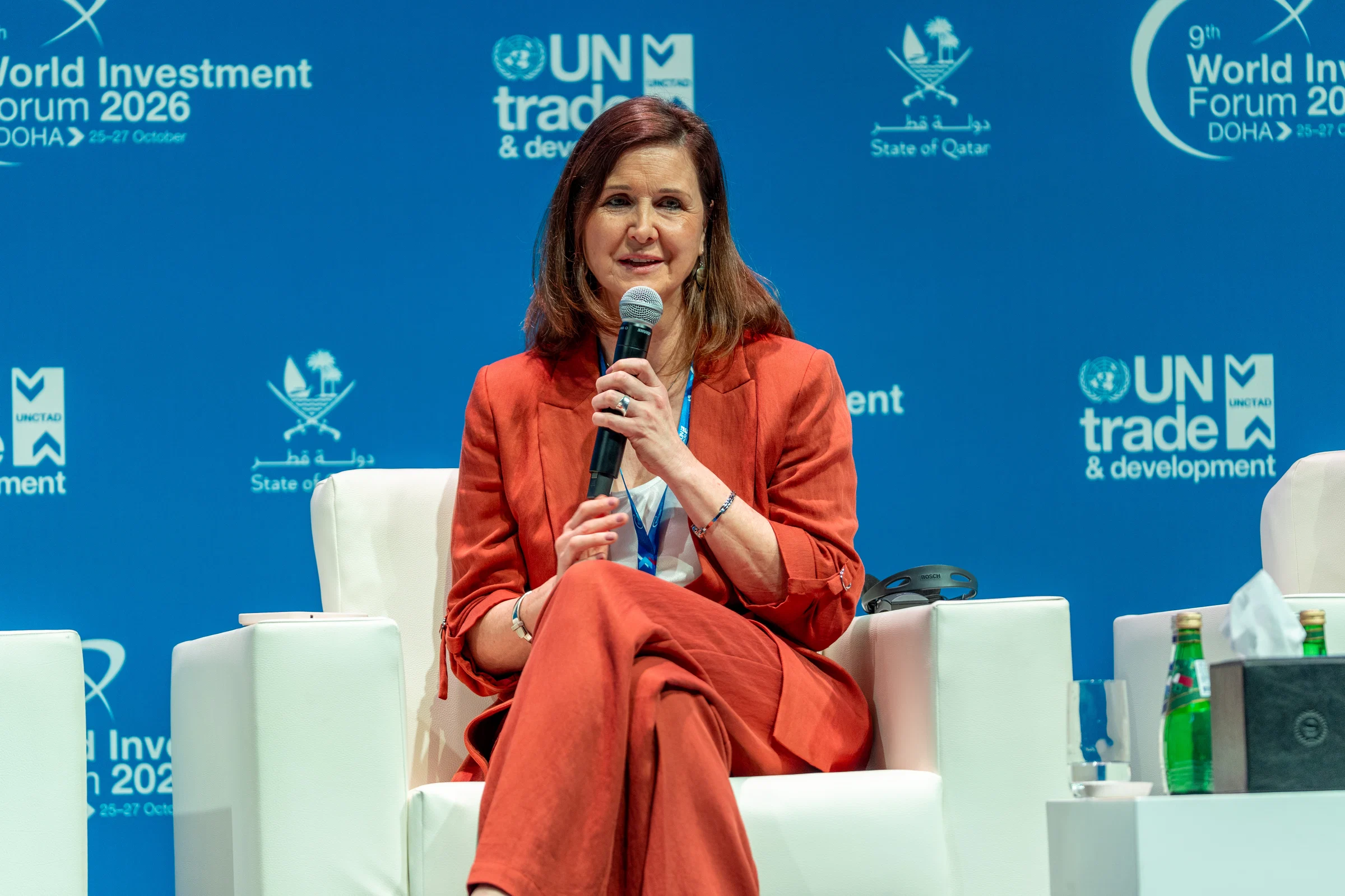
Between October 25 and 27, 2026, the ninth World Investment Forum (WIF), organized by UNCTAD, was held in Doha, Qatar. The event brought together investors, senior officials and companies from around the world with the shared goal of discussing foreign direct investment flows into strategic sectors amid geopolitical fragmentation and the reconfiguration of global value chains. Amid announcements of greater investment in AI and in the defense industry, an Argentine biotechnology company showcased its leadership in the preservation of life and health.
Crofabiotech, a company founded and based in Argentina, represented by its CFO and co-founder Mariela Balbo, appeared at WIF 2025 with a proposal that combines frontier research, the development of bioartificial organs and biopreservation solutions aimed at both the domestic market and exports. Its participation was a concrete bid to position Argentina's biotechnology exportable supply within the global investment circuit at a time when the Gulf countries are accelerating their transition toward knowledge economies.
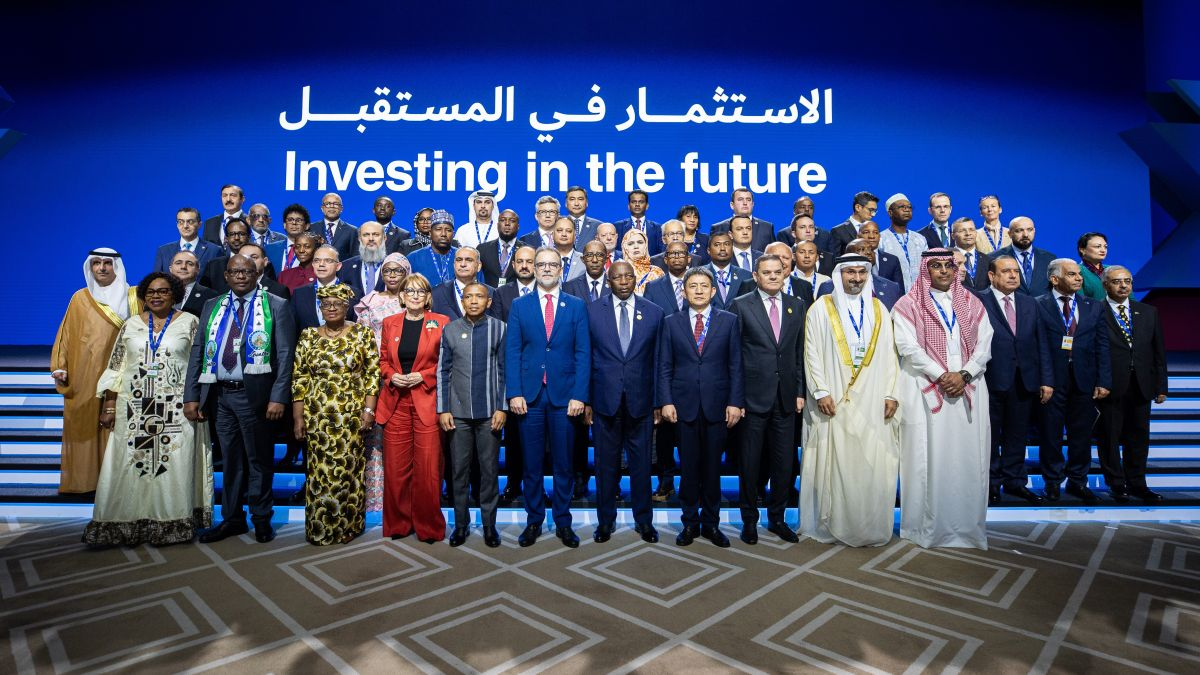
Source: UNCTAD 2026 WIF - Opening ceremony
The foreign direct investment context: why WIF 2026 matters more than previous editions
The UNCTAD World Investment Forum is not a conventional trade fair. It is the highest-ranking multilateral forum for analyzing trends in foreign direct investment (FDI) and for coordination among governments, international organizations and the private sector on the regulatory frameworks that shape capital flows and foreign direct investment. The 2026 edition took on particular relevance in an environment marked by the de-risking being pursued by the United States and the European Union with respect to certain value chains, the redirection of FDI flows and the growing demand for enabling technologies in health, energy and food. Within that framework, biotechnology applied to human health occupies a central place on investment agendas. And the global shortage of organs for transplantation makes bioengineering solutions a segment with demand and potential for international expansion. That an Argentine company was invited to this forum is, in itself, a trade policy fact that merits analysis.
Crofabiotech: what Argentina brings to the global stage
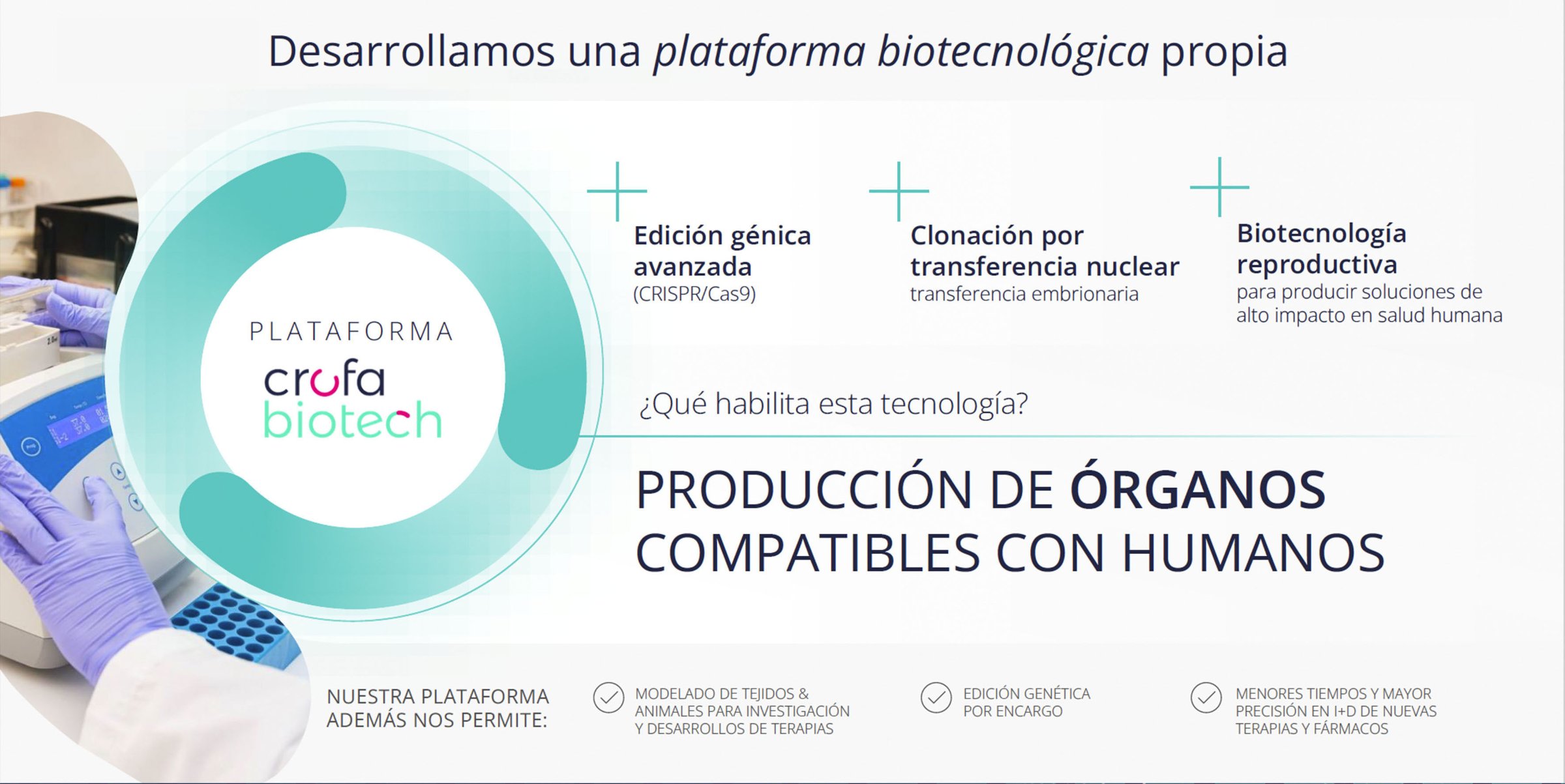
Crofabiotech develops biopreservation technology and bioartificial organs with direct application in transplant medicine and regenerative medicine for the production of human-compatible organs. Its technological proposal addresses one of the most pressing problems facing contemporary health systems: the gap between the demand for organs for transplantation and their actual availability, a tension that affects both the health systems of high-income countries and emerging markets with expanding hospital infrastructure.
Source: Crofabiotech
The company has been featured in specialized media, including Nature as an example of how Argentine science and technology are attempting to solve one of the great challenges of contemporary medicine: the unmet demand for organs. Its approach combines tissue engineering, cell biology and preservation platforms that extend organ viability, thereby widening the time window available for transplantation. The structural shortage of organs creates a global market opportunity for biotechnology solutions such as those Crofabiotech develops.
From a trade policy standpoint, Crofabiotech's participation in WIF 2025 has at least three strategic readings. First, it positions Argentina as a supplier of added value in biotechnology. Second, it establishes a direct link with the Persian Gulf investment ecosystem, where Qatar, Saudi Arabia and the United Arab Emirates channel sovereign wealth funds into knowledge economy sectors as part of their post-hydrocarbon diversification strategies. Third, it generates institutional visibility before UNCTAD, an organization whose publications and investment databases influence the decisions of funds, multilateral bodies and governments.
The Qatari setting and the reorientation of FDI toward knowledge
Qatar is not a neutral host for events of this kind. In recent years, the emirate has built an institutional infrastructure geared toward attracting investment in education, health and technology, in line with its National Vision 2030, which seeks to reduce dependence on hydrocarbons. The choice of Doha as the venue for WIF 2025 reflects that intention: to position the Persian Gulf as a hub of available capital for high-tech projects, including those aimed at health.
For companies such as Crofabiotech, it is an opportunity to give visibility to their projects. Gulf sovereign wealth funds such as the Qatar Investment Authority have increased their exposure to health and biotechnology assets over the past two years as part of long-term diversification strategies. Accessing that network of contacts within the framework of a UNCTAD forum grants institutional legitimacy and lowers the cost of entry into conversations that, through other channels, would require years of reputation-building.
Possible linkages: capitalizing on this presence
Participation in WIF 2025 is a starting point. Comparative experience indicates that converting visibility at multilateral forums into investment contracts or licensing agreements is a real possibility. Crofabiotech's experience is of great importance for the future of new human health projects developed from Argentina.
Sources
Director of Pulso Internacional
Lawyer specializing in international trade and productive investment, with more than 25 years of experience in international trade negotiations as an adviser to governments and to companies going international. At Pulso Internacional we analyze foreign trade, bringing clarity and international context so that your company can export and invest more.
Related analysis
European Assessment of the EU-Mercosur Agreement: In 4 Months, European Exports Grow 9%
November 5, 2026 · 2 min
Why Has the US Increased Its Investment in Germany?
November 3, 2026 · 5 min