European Assessment of the EU-Mercosur Agreement: In 4 Months, European Exports Grow 9%
Translated from the Spanish original. Read the original

Director of Pulso Internacional
A First Assessment with Concrete Figures
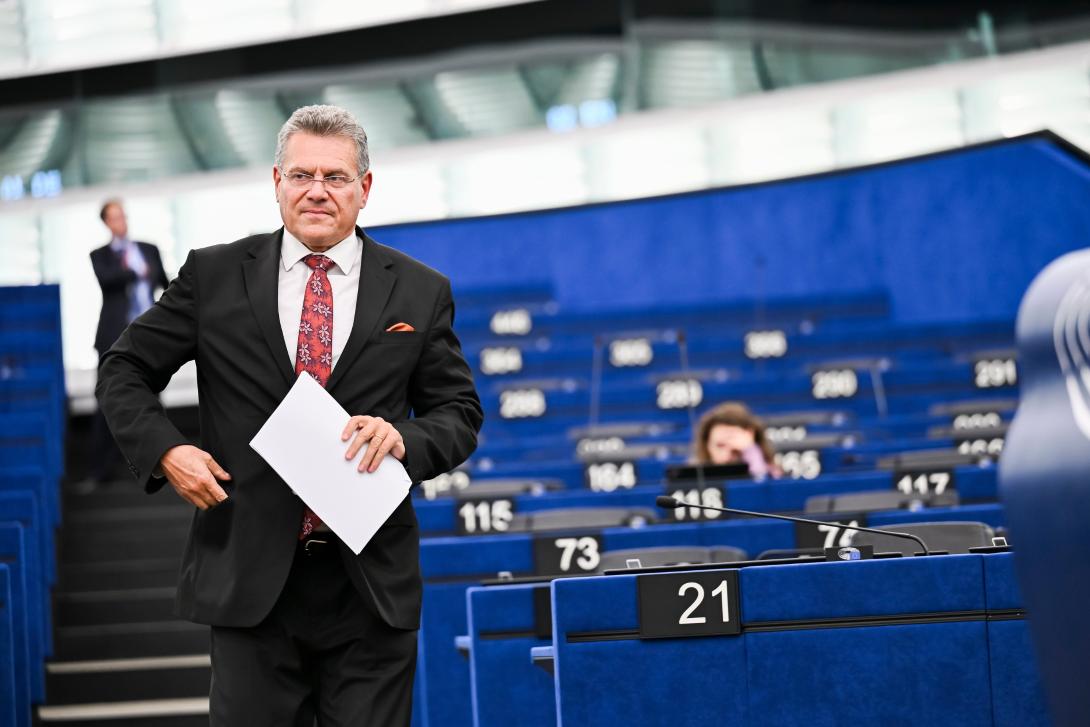
On Wednesday, November 5, 2026, the European Trade Commissioner, Maros Sefcovic, appeared before the European Parliament's Committee on International Trade (INTA) to present the first official figures from the four months of provisional application of the EU-MERCOSUR agreement, in force since May 1, 2026.
According to Sefcovic, European exports to MERCOSUR grew by 9% on average over that period. The average figure, however, conceals sectoral variations of very different magnitude. For example, European jewelry exports to the bloc grew 150%; pharmaceuticals, 45%; cosmetics, 30%; and aviation, 5%. These are sectors where Europe has consolidated comparative advantages, in patents, industrial scale and brand positioning, and where tariff reduction acts as an immediate lever on price competitiveness.
Sefcovic's statement to the members of the European Parliament also sets out a long-term projection that deserves to be recorded as a trade policy data point:
"We estimate that European Union exports to Mercosur could increase by 40% over the next 10 to 15 years."
This projection, attributed to the EU executive itself and reported in the press, sets the framework of expectations with which Brussels assesses the agreement: not as an instrument of symmetrical trade balance, but as a vector for expanding its export supply toward a market of more than 270 million consumers.
For MERCOSUR negotiators, this outlook reinforces the need to monitor the evolution of flows in both directions with precision, and to anticipate in advance the industrial policy responses and the certifications that the EU may require. We recently saw the assessment carried out by the Uruguayan government and, ultimately, the learning curve needed to take advantage of its implementation.
Director of Pulso Internacional
Lawyer specializing in international trade and productive investment, with more than 25 years of experience in international trade negotiations as an adviser to governments and to companies going international. At Pulso Internacional we analyze foreign trade, bringing clarity and international context so that your company can export and invest more.
Related analysis
Why Has the US Increased Its Investment in Germany?
November 3, 2026 · 5 min
Uruguay: Six Months into the Mercosur-EU Agreement (ITA) - A Positive Export Balance
November 2, 2026 · 2 min