Argentine Horse Exports Are Growing and Must Be Sustained
Translated from the Spanish original. Read the original

Director of Pulso Internacional
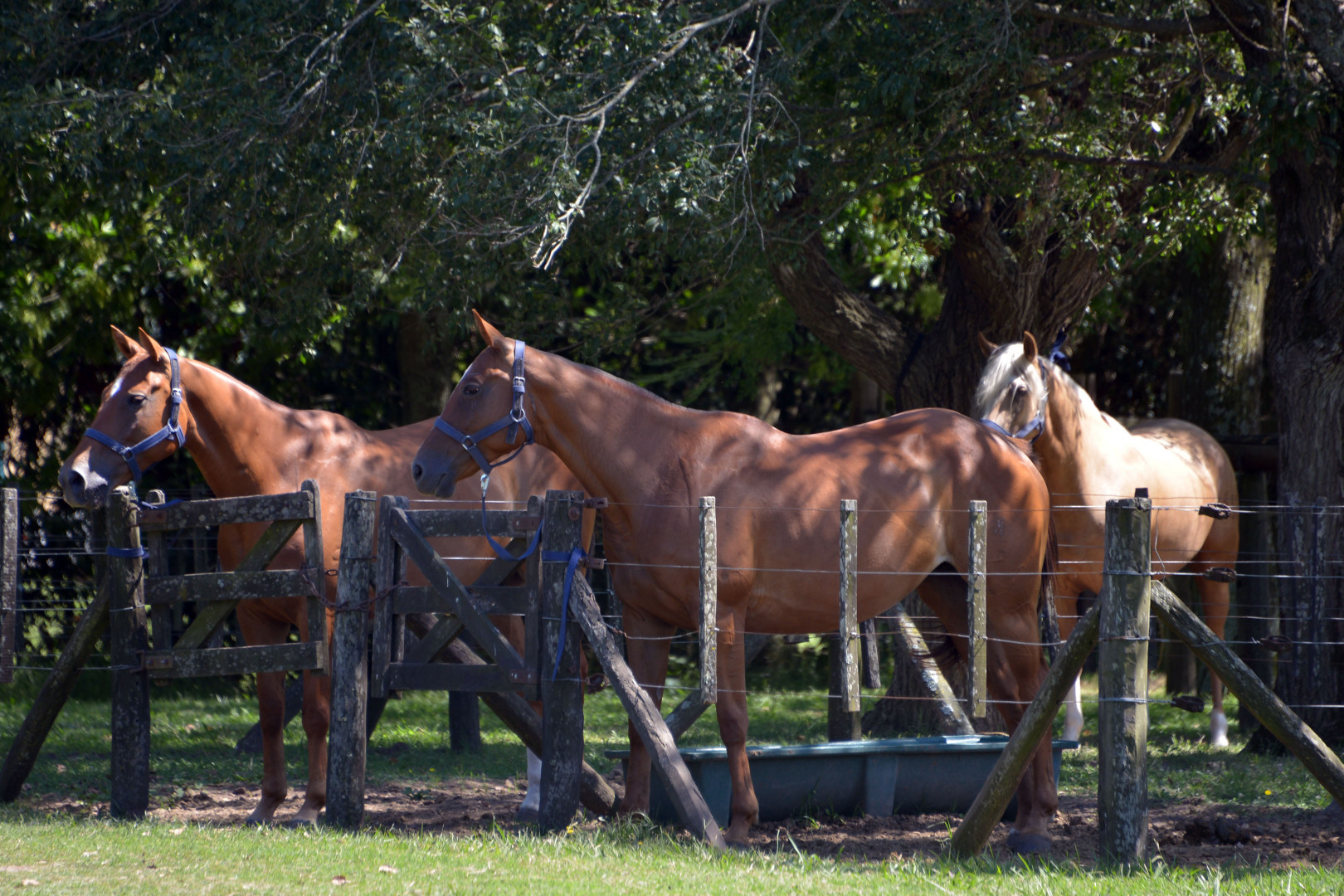
In the first nine months of 2026, Argentine equine exports grew 14% year on year, consolidating a trend that can no longer be read as a short-term phenomenon, according to the Secretariat of Agriculture, Livestock and Fisheries of the Ministry of Economy. This figure, which at first glance might seem marginal within the universe of the country's export sales, conceals a logic of competitive positioning that deserves close analysis: Argentina is building, with relative institutional quietness, a high-value export niche where genetic quality, the productive ecosystem and international reputation converge in an offering that the global market is willing to pay for. The growth is not new, but it is accelerating. Exports of Argentine horses grew 9% in the previous period, which marks a trajectory of sustained expansion that transcends domestic macroeconomic cycles and responds instead to structural international demand. The question that is imperative for Argentine trade policy is whether the country is in a position to capture this momentum with the institutional, sanitary and logistical infrastructure that the segment requires.
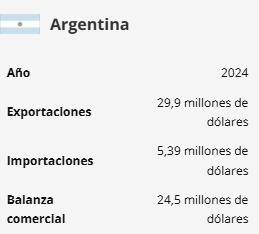
Source: OEC World
Size of the global market
According to the Observatory of Economic Complexity (OEC), in 2024 global trade in horses reached US$3.98 billion, an increase of 5.77% over 2023, when trade totaled US$3.76 billion. Over the last five years, trade in this category has grown at an annualized rate of 3.67%. Among the 1222 products traded in 2024, horses ranked 609th in global trade value, accounting for 0.017% of world trade. In 2024, the most traded sub-products worldwide within the horse category, broken down by level, were: live horses (excluding purebred breeding animals: US$2.44 billion), live purebred breeding horses (US$1.52 billion), live mules and hinnies (US$17.7 million) and live asses (US$1.88 million).
In 2024, the main horse exporters were China (US$902 million), Ireland (US$515 million) and the United Kingdom (US$508 million). That same year, the main horse importers were Hong Kong (US$1.05 billion), the United States (US$720 million) and the United Kingdom (US$557 million).
A productive asset that behaves like a luxury good
The Argentine horse, in its polo, show jumping, classical dressage and purebred breeding variants, operates in the international market with a logic that resembles that of luxury goods more than that of agricultural commodities. The buyer who acquires an animal in Buenos Aires or on the estancias of Córdoba Province is not buying animal protein: he is buying genetics, lineage, training and a standard of breeding that the Argentine countryside, with its high-quality natural pastures and temperate climate, makes it possible to achieve consistently and at costs that are relatively competitive against European standards.
This means that Argentine equine exports are partially decoupled from exchange-rate volatility and from the commodity price cycles that affect other segments of the agro-export complex. A polo buyer in the United Arab Emirates, the United Kingdom or the United States makes purchasing decisions based on the animal's athletic performance, its certified lineage and confidence in the sanitary standing of the country of origin, not on that week's exchange rate.
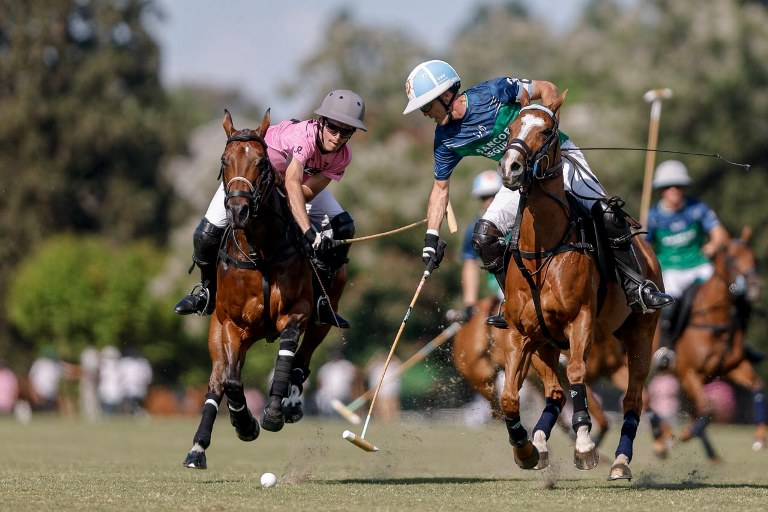
Photo: Asociación Argentina de Polo (Argentine Polo Association)
The comparative advantages the market has already recognized
Argentina's competitive positioning in the international equine market rests on three mutually reinforcing pillars. The first is the natural ecosystem: the extent and quality of the pampas pastures, combined with a rainfall and temperature regime that favors the musculoskeletal development of horses, creates breeding conditions that are structurally difficult to replicate in arid climates or in areas of high population density. The second is the genetic stock accumulated over decades of selective breeding, particularly in the breeds geared toward polo and show jumping, where horses of Argentine origin consistently dominate the podiums of international competitions. The third pillar is sanitary. The recognition of SENASA (the National Agri-Food Health and Quality Service) as a competent authority by the main destination markets, including the European Union, the United States and the Persian Gulf countries, gives Argentine exporters the traceability and certification that the premium segment demands. No competition animal is exported without an audited veterinary record, a sanitary chain of custody and an agreed bilateral quarantine protocol. This institutional framework, built over years, is today a strategic asset that Argentina should protect and deepen.
Destination markets: the geography of equine luxury
The main buyers of Argentine horses are concentrated in three broad geographic axes. Europe, led by Germany, the Netherlands, France and the United Kingdom, absorbs a significant share of the breeding stock and of the animals geared toward dressage and show jumping. The Persian Gulf countries, particularly Saudi Arabia and the United Arab Emirates, constitute an expanding market for polo horses, a sport that has gained a presence in the region as an expression of status and soft power. The United States, for its part, maintains sustained demand for both polo ponies and breeding stock of high genetic value.
In this context, Argentina's international positioning in the equine segment follows a logic similar to that of premium wines or high-end tanned leather: the country of origin works as a guarantee of quality, and that guarantee is built over time, through productive consistency and sanitary reputation. The difference compared with other export niches is that the volume is smaller but the unit value is significantly higher, which generates foreign currency with a comparatively low logistical and environmental footprint.
Photo: CAMINE
An opportunity that requires the participation of the provinces and public-private coordination
From the standpoint of trade policy, Argentina's equine boom presents an opportunity that goes beyond the value of the exports themselves. This is a segment with very high international visibility; polo, in particular, is played and financed by business and political elites in the main markets of the world. It would be advisable for the provinces to participate actively in the promotion of equine exports, together with the chambers linked to the horse industry, Prom Argentina and the Ministry of Foreign Affairs, since public-private coordination can turn the current boom into a lasting competitive advantage rather than just another cycle that fades for lack of export institutions.
Sources
Director of Pulso Internacional
Lawyer specializing in international trade and productive investment, with more than 25 years of experience in international trade negotiations as an adviser to governments and to companies going international. At Pulso Internacional we analyze foreign trade, bringing clarity and international context so that your company can export and invest more.
Related analysis

European Assessment of the EU-Mercosur Agreement (ITA): In Four Months, European Exports Grow 9%
November 5, 2026 · 2 min
Why Has the US Increased Its Investment in Germany?
November 3, 2026 · 5 min