European Trade Capitulation
Translated from the Spanish original. Read the original

Director of Pulso Internacional
1. Postmodern mercantilism
Mercantilism was a trade policy implemented by European countries between the 16th and 18th centuries that prioritized the accumulation of wealth and reserved the domestic market for their national products.
The policy of US President Donald Trump has some features that resemble it, based on the imposition of high tariffs and trade threats to achieve economic policy and foreign policy objectives that result in a greater accumulation of national wealth.
What Trump has achieved can be classified as 21st-century postmodern mercantilism, since it includes the rejection of the absolute truths of international trade and the relativization of World Trade Organization rules.
2. The framework agreement of the European surrender
The framework agreement between the US and the EU concluded in Washington on August 21 of this year is described by the US president himself as the biggest in history, and it has the US as the big winner.
Among other things, the framework agreement establishes:
- The EU's commitment to eliminate tariffs on all US industrial products and provide preferential market access for agricultural products, including dairy products, processed foods, soybean oil and meat.
- The EU's obligation to invest USD 600 billion in strategic sectors in the United States through 2028.
- The purchase of liquefied natural gas, oil and nuclear energy products valued at USD 750 billion through 2028.
- The European Union will purchase at least USD 40 billion in AI chips from the United States.
- The elimination of European non-tariff barriers concerning standards for automobiles, the agricultural sector, forestry, and telecommunications and digital services.
- The commitment to purchase US defense equipment.
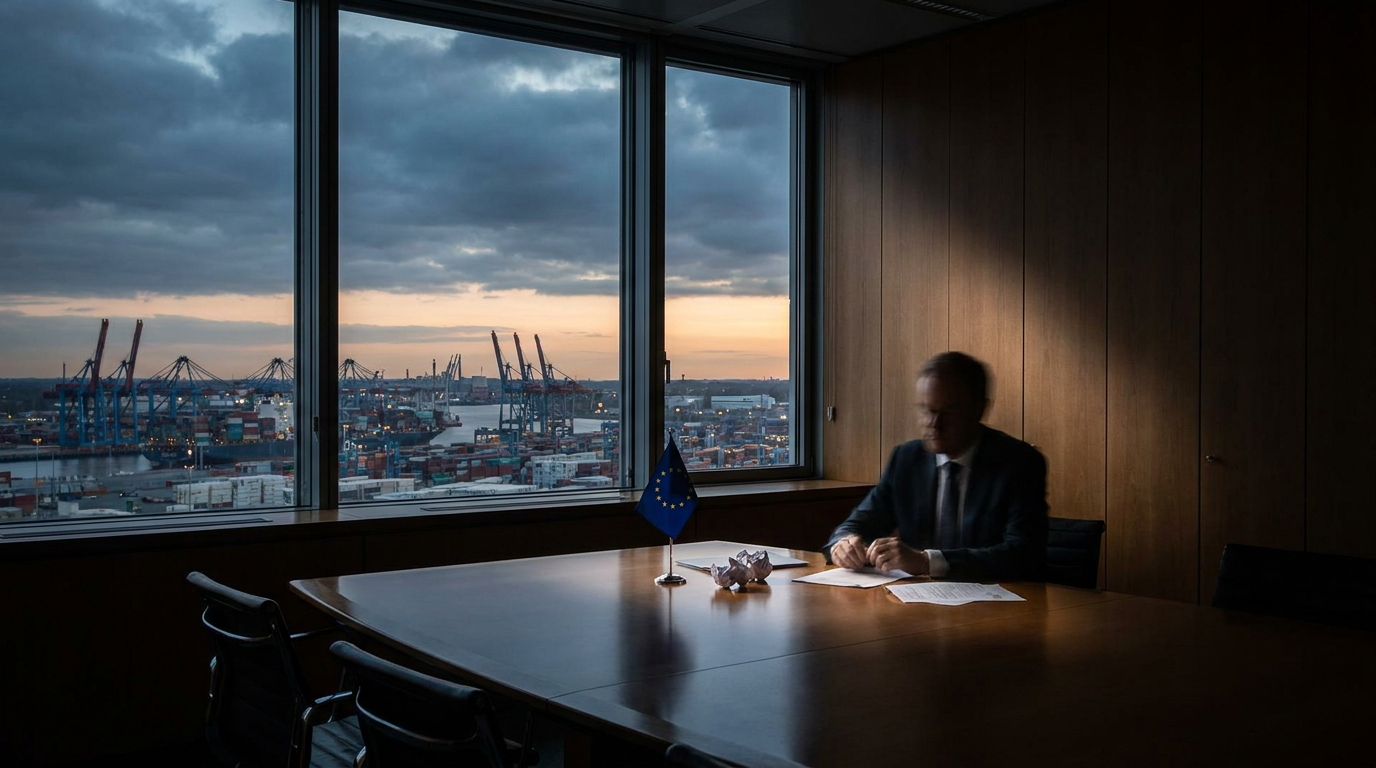
Trump, with an ultimatum, managed to bring the capitulating EU to its knees in this first act and became the big winner. A new chapter now opens on how this framework agreement will be implemented and how the US will demand compliance with it.
Director of Pulso Internacional
Lawyer specializing in international trade and productive investment, with more than 25 years of experience in international trade negotiations as an adviser to governments and to companies going international. At Pulso Internacional we analyze foreign trade, bringing clarity and international context so that your company can export and invest more.
Related analysis
European Assessment of the EU-Mercosur Agreement: In 4 Months, European Exports Grow 9%
November 5, 2026 · 2 min
Why Has the US Increased Its Investment in Germany?
November 3, 2026 · 5 min