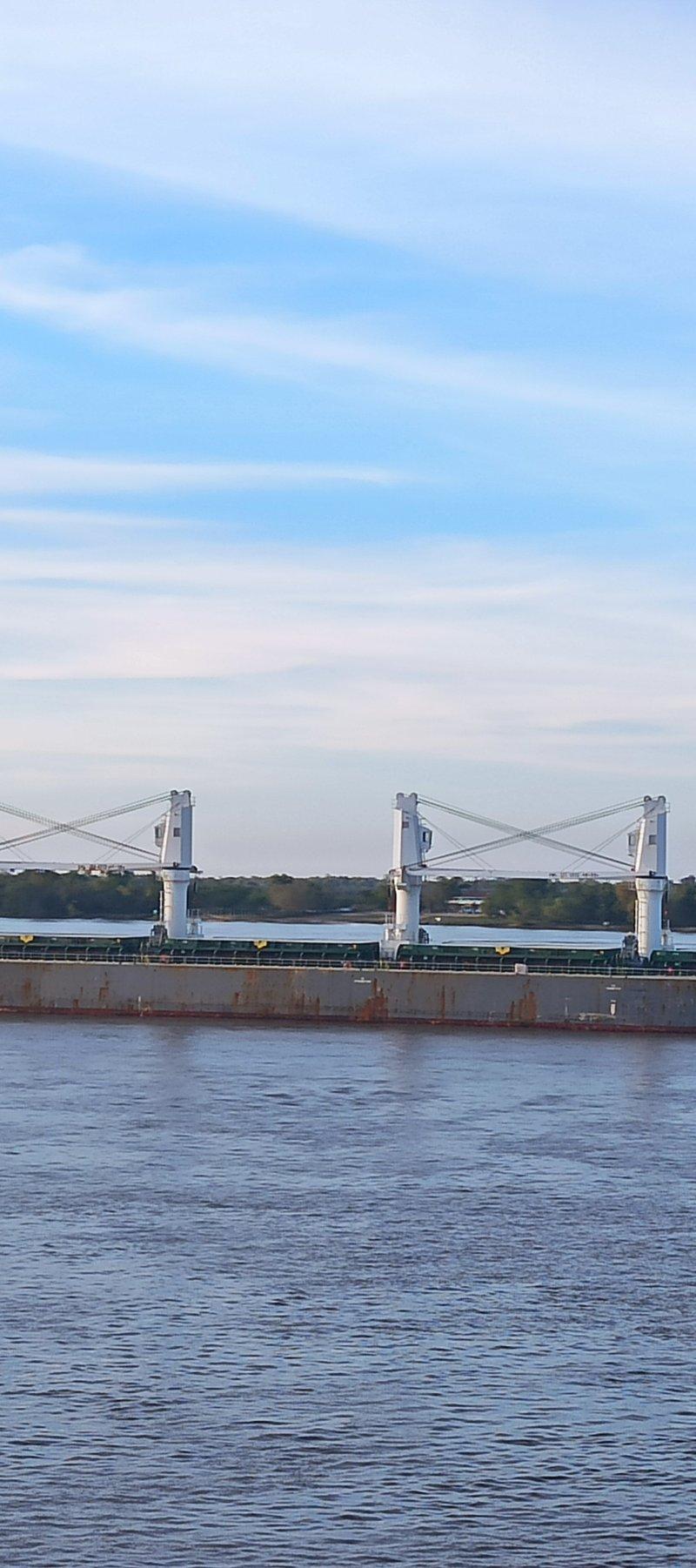
Switzerland: civil society launches signature drive to block the EFTA-Mercosur agreement through a referendum
Translated from the Spanish original. Read the original

Director of Pulso Internacional
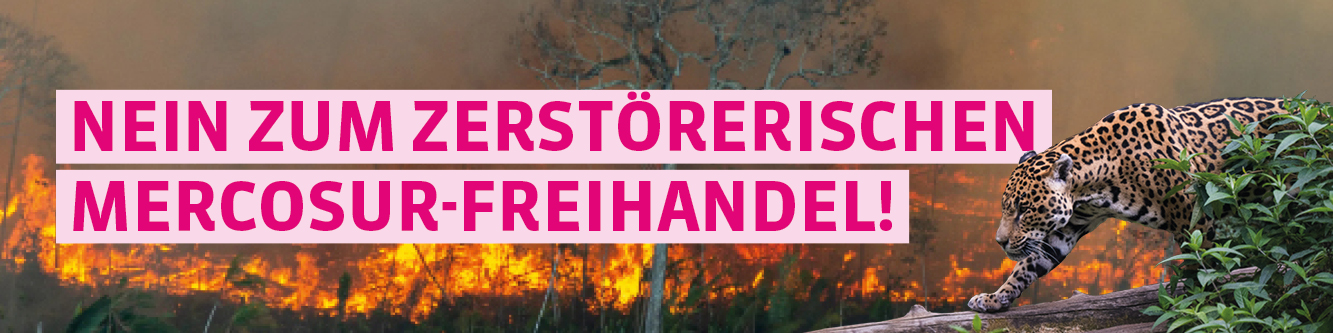
On Tuesday, October 13, 2026, at a press conference held in Bern, an alliance of Swiss civil society organizations formally launched a signature drive to put to a referendum the free trade agreement between EFTA, the European Free Trade Association, made up of Switzerland, Norway, Iceland and Liechtenstein, and MERCOSUR. Switzerland is the largest country in the European bloc in terms of population and of bilateral trade between the two economic blocs, hence the importance of the outcome.
Three weeks earlier, on September 16, the Swiss Parliament had approved the treaty with a majority that was hard to build. As we anticipated, the lower house had initially rejected the agreement (EFTA) and Mercosur, in a vote that exposed deep political differences over the impact the trade agreement could have on sensitive sectors of the economy, as well as the anti-immigration social tensions that underpin a closed-door outlook.
The Swiss Parliament ultimately gave its approval because a contribution of 517 million Swiss francs (about 620 million dollars or 555 million euros at the current exchange rate) was included to compensate for the losses this trade agreement could cause among Swiss farmers.
Now, that ratification faces the real possibility of being suspended and submitted to the popular verdict. This is a warning sign for the agricultural export sector and for MERCOSUR's foreign ministries.
The arguments of the alliance opposing the EFTA-MERCOSUR agreement
The arguments with which the opposition seeks to mobilize 50,000 signatories in 100 days, a deadline that expires on January 21, 2027, take direct aim at the production conditions that define MERCOSUR's exportable supply, such as the use of pesticides and antibiotics in livestock farming, the deforestation associated with soybean cultivation, and labor standards in agriculture.
Who makes up the alliance against the EFTA-MERCOSUR agreement
The coalition driving the referendum, called the "Alliance against the Agreement with MERCOSUR," brings together non-governmental organizations such as Public Eye and Voices (formerly the Society for Threatened Peoples), the Socialist Party (see min. 10,22) and the Greens. Its parliamentary spokesperson, National Councillor Fabian Molina (SP/Zurich), led the press conference in Bern. Speaking to the media, he argued that the agreement does not provide effective rules to ban imports of products from deforested areas, and that the elimination of tariffs on soybeans and beef will inevitably lead to an increase in imports that will worsen the climate crisis.
Since the Swiss are very frugal, the referendum initiative is seeking funds to carry it forward through online donations .
Next steps needed to defend the agreement from MERCOSUR
The opportunity that the EFTA-MERCOSUR agreement opens for Argentina's exportable supply remains open, but it requires implementing a coordinated plan among MERCOSUR's foreign ministries, SENASA, ANVISA, CIARA, the beef sector chambers and the exporting wineries, to maintain an active presence in the Swiss public debate over the next hundred days. Having won the parliamentary vote is not enough; the production argument must also be won.
Sources
- Infobae / EFE — The EFTA-Mercosur free trade agreement could be put to a referendum in Switzerland (October 13, 2026)
- Nau.ch — Allianz gegen Mercosur-Freihandelsabkommen sieht Regenwald bedroht (October 13, 2026)
- RTS Info — Les opposants à l'accord de libre-échange avec le Mercosur commencent leur récolte de signatures (October 13, 2026)
Director of Pulso Internacional
Lawyer specializing in international trade and productive investment, with more than 25 years of experience in international trade negotiations as an adviser to governments and to companies going international. At Pulso Internacional we analyze foreign trade, bringing clarity and international context so that your company can export and invest more.
Related analysis
European Assessment of the EU-Mercosur Agreement: In 4 Months, European Exports Grow 9%
November 5, 2026 · 2 min
Why Has the US Increased Its Investment in Germany?
November 3, 2026 · 5 min