Japan Speeds Up Trade Negotiations with Mercosur Over Raw Materials and a Market for Automobiles
Translated from the Spanish original. Read the original

Director of Pulso Internacional

Trade negotiations between Mercosur and Japan are advancing, covering trade, investment, the sustainability of supply chains, the digital economy, the energy transition and the green transformation.
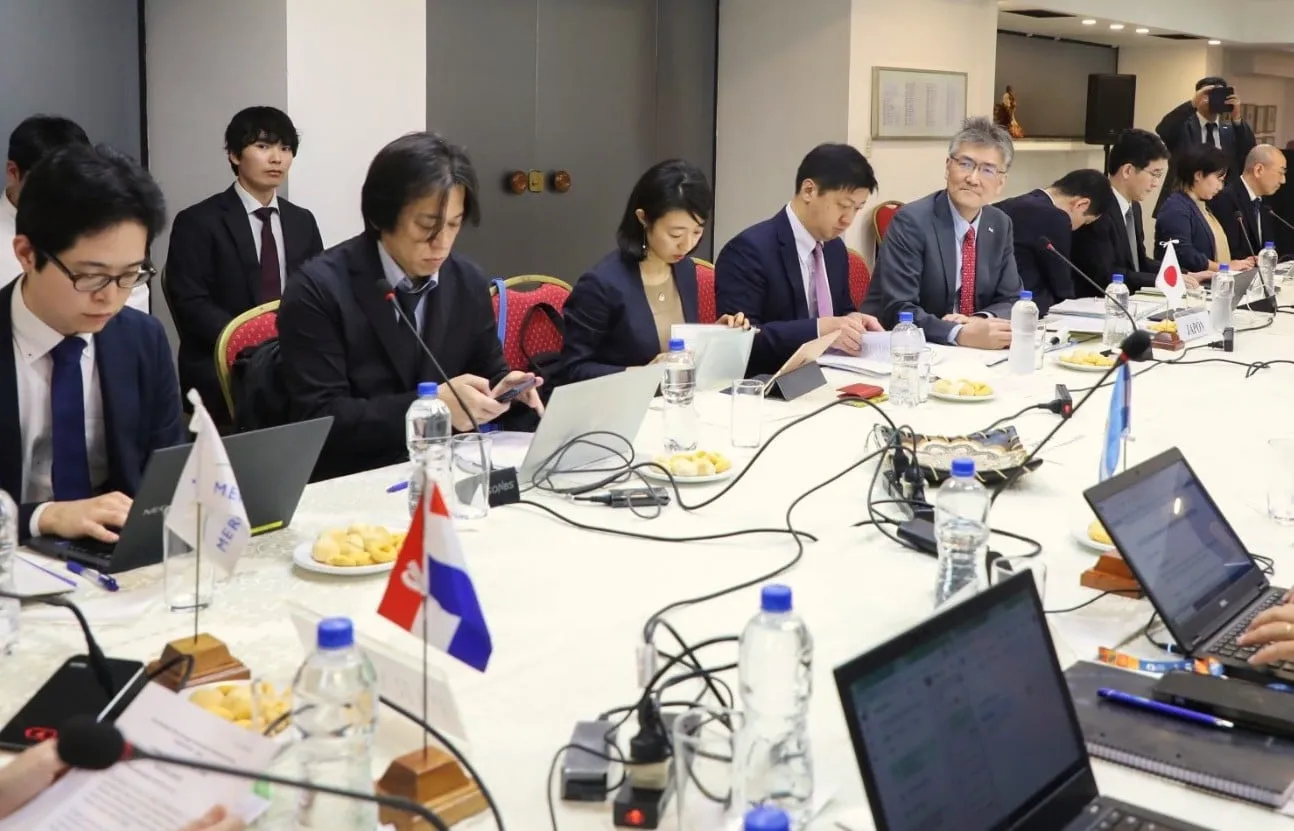
The acceleration of trade negotiations between Japan and Mercosur that began in December 2025, when the "Framework for Cooperation to Strengthen Economic Relations" was signed in Paraguay, shows the strategic relevance that critical raw materials are acquiring in the redesign of global supply chains. The first meeting under that Framework took place on February 27 in Asunción, Paraguay.
Diversified trade negotiations
Argentina is currently negotiating Mercosur trade agreements with the United Arab Emirates, Canada, El Salvador, Vietnam and Japan, each at a different stage of progress. Since the entry into force of the Interim Trade Agreement with the EU, negotiations have accelerated. For its part, Japan concluded an Agreement with the US in July 2025 in which it assumed investment commitments in the US of more than US$550 billion, as well as the elimination of non-tariff barriers to automobiles and auto parts of US origin and substantial increases in purchases of agricultural products.
JAPAN - TARIFFS APPLIED
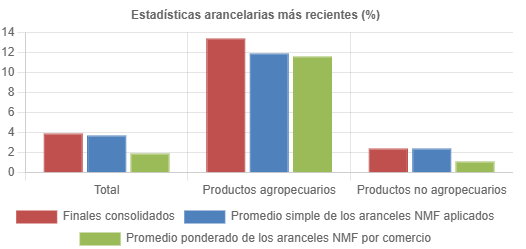
Source: WTO - 2026
Sectoral complementarities and competitive advantages
Brazil concentrates most of Mercosur's trade flows to Japan, with a consolidated presence of Japanese companies and a large number of immigrants of Japanese origin, which poses new challenges for the competitiveness of Argentine production within the trade integration scheme. Oil and the critical minerals sector represent a particularly important strategic window for Argentina, considering its lithium reserves and the installed capacities in the mining value chain that could be strengthened by Japanese investment. The diversification of markets that Japan is seeking for its automotive industry presents a scenario in which strategies to promote the establishment of Japanese direct investment in this sector will play an important role, in order to support the entry of new vehicles and complementarity in the production of auto parts.
Prospects for consolidation and strategic considerations
Preferential access with tariffs of 17.5% for vehicles of European origin, thanks to the entry into force on May 1 of the Mercosur-EU Interim Trade Agreement, against the 35% that Japanese cars face today, is another factor driving the negotiations, which are expected to continue in June. The consolidation of the trade dialogue between Japan and Mercosur sets a precedent for other countries in the reconfiguration of global supply chains and in the effort to reduce dependence on traditional supply routes.
For Argentina, it is strategically important to take advantage of the momentum of the trade negotiations, which should seek not only tariff reductions but also the elimination of Japanese technical barriers and sanitary and phytosanitary barriers, as well as commitments to direct investment in the automotive, electronics and new technologies sectors.
Director of Pulso Internacional
Lawyer specializing in international trade and productive investment, with more than 25 years of experience in international trade negotiations as an adviser to governments and to companies going international. At Pulso Internacional we analyze foreign trade, bringing clarity and international context so that your company can export and invest more.
Related analysis

European Assessment of the EU-Mercosur Agreement: In 4 Months, European Exports Grow 9%
November 5, 2026 · 2 min
Why Has the US Increased Its Investment in Germany?
November 3, 2026 · 5 min