Leveraging the Mercosur-EU Agreement to Preserve Domestic Industry
Translated from the Spanish original. Read the original

Director of Pulso Internacional
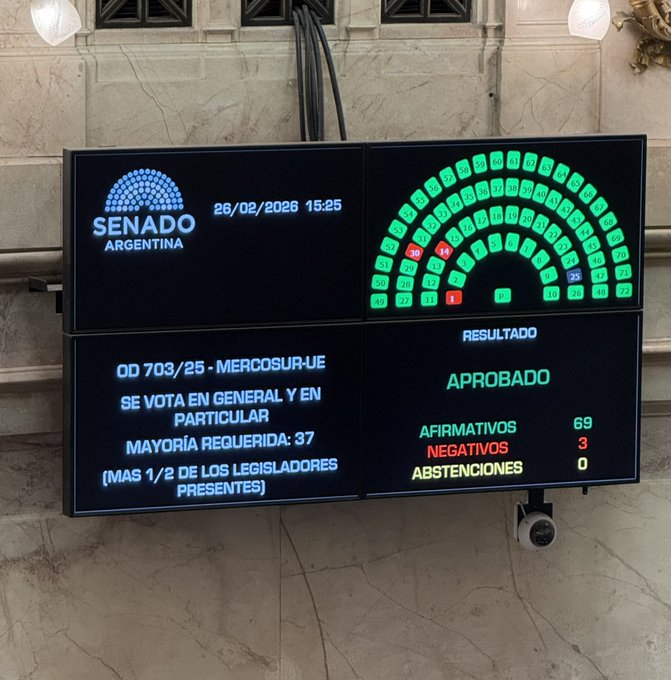
On Thursday, February 26, 2026, Argentina and Uruguay became the first countries to ratify the free trade agreement between Mercosur and the European Union (EU), completing the legislative process with parliamentary approval, which allows the interim application of the agreement.
This interim trade agreement opens the possibility of the provisional application of the agreement and the entry into force of the trade chapters without waiting for full ratification by all the European parliaments. As a result, there will be reductions in tariffs on certain products, and it will enter into force on May 1, 2026.
The sector with the greatest growth potential under the EU-Mercosur free trade agreement
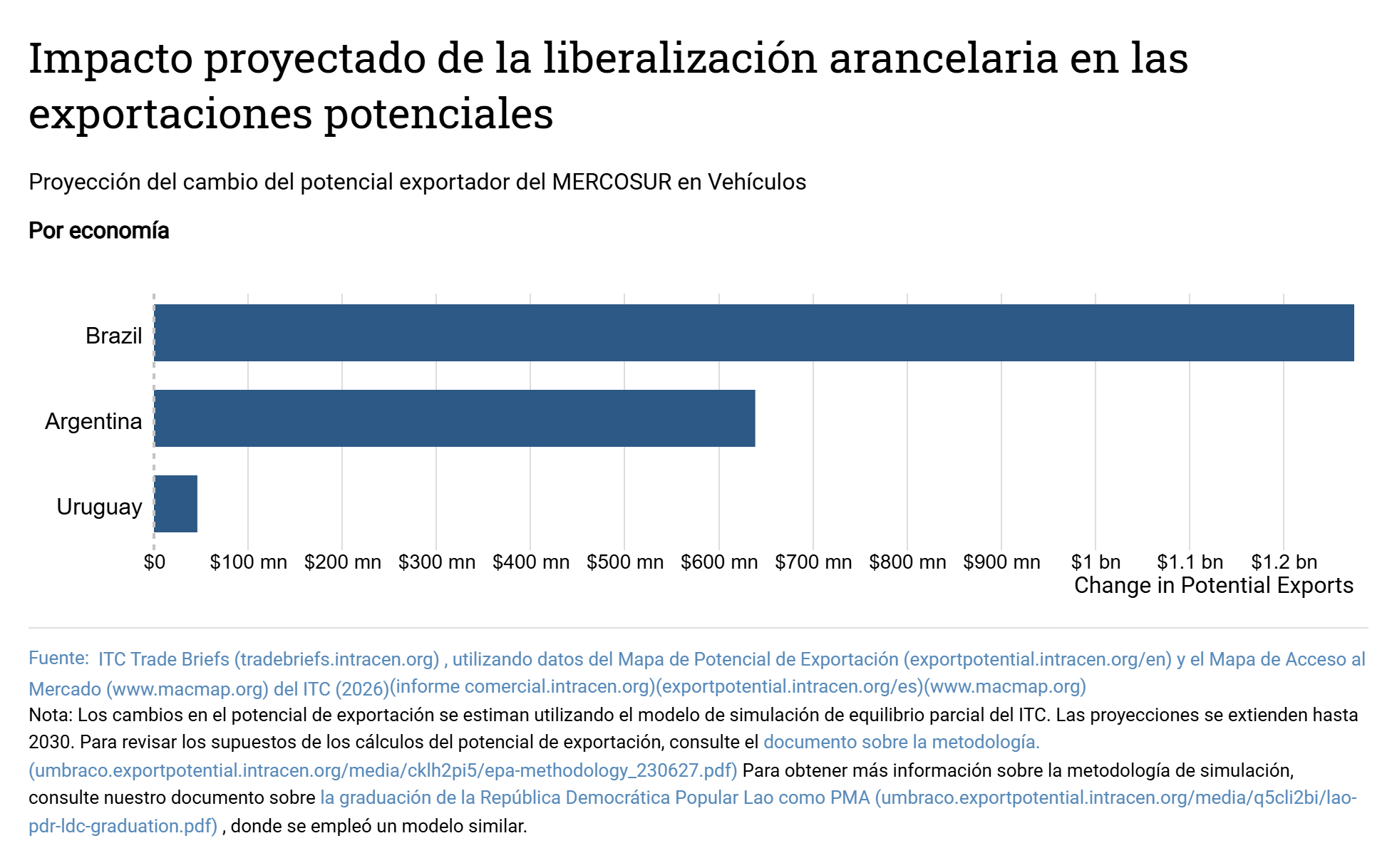
The sale in the EU of vehicles manufactured in Mercosur holds the greatest potential for the bloc, and the impact of the tariff liberalization established by the agreement allows for the following projections in the vehicle sector:
Brazil has potential exports of USD 1,300 million, Argentina of USD 639 million and Uruguay of USD 46 million.
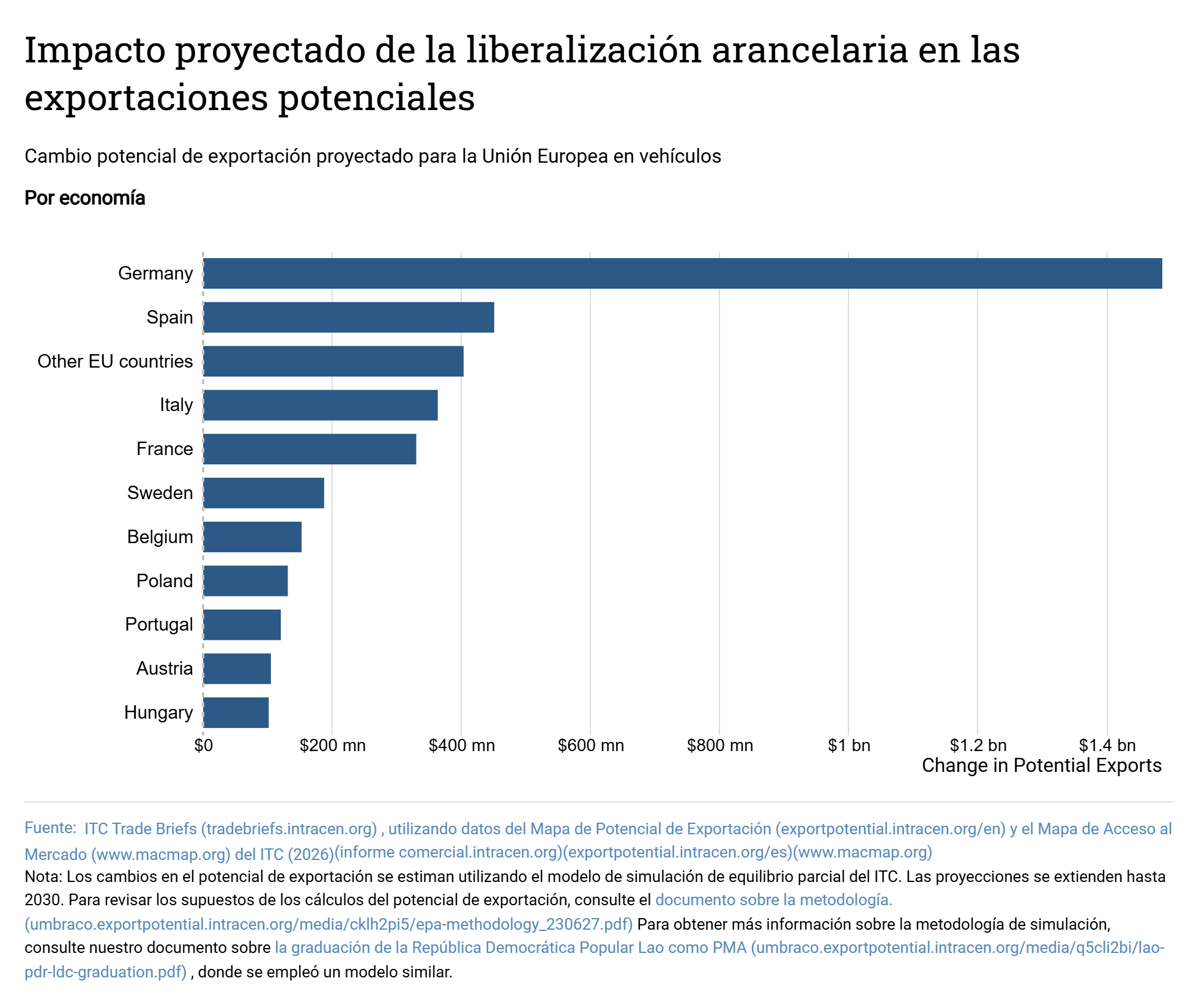
On the other side, the vehicle sector is also one of the most important for the EU in the post-agreement scenario, as it ranks third among the sectors with the greatest potential, after the chemical sector and machinery and electronic equipment.
EU potential vehicle exports to Mercosur are estimated to reach USD 1,500 million for Germany, USD 451 million for Spain, USD 363 million for Italy and USD 330 for France.
Taking advantage of the access to the EU market provided by the agreement requires preserving and strengthening industrial capacity and increasing direct investment by the automotive sector in Argentina. At a time when the viability and usefulness of domestic industry are being questioned, these projections justify, among other things, sustaining and supporting it.
Director of Pulso Internacional
Lawyer specializing in international trade and productive investment, with more than 25 years of experience in international trade negotiations as an adviser to governments and to companies going international. At Pulso Internacional we analyze foreign trade, bringing clarity and international context so that your company can export and invest more.
Related analysis
European Assessment of the EU-Mercosur Agreement: In 4 Months, European Exports Grow 9%
November 5, 2026 · 2 min
Why Has the US Increased Its Investment in Germany?
November 3, 2026 · 5 min