Mercosur-EU: How the European Parliament's Delay Is Holding Back Investment
Translated from the Spanish original. Read the original

Director of Pulso Internacional

On May 1, 2026, the interim trade agreement between Mercosur and the European Union entered into force. After the initial euphoria over its entry into force, it is necessary to reflect on the cost of its incomplete ratification. In effect, while Argentina and its Mercosur partners have completed their domestic approval processes, the delay in full ratification of the Mercosur-EU Agreement by the European Parliament sets a precedent that goes beyond procedure and entails concrete economic and geopolitical costs that directly affect the prospects for foreign direct investment and the negotiating credibility of both blocs. The main cost is not only a matter of tariffs; it is also the loss of the opportunity to promote foreign direct investment, the integration of value chains and strategic positioning vis-à-vis other blocs that are moving forward with trade agreements. For Mercosur, this situation postpones and limits the full use of a treaty.
Direct impact on investment flows
Incomplete ratification limits the agreement's "anchor effect": European companies are holding back long-term investment decisions because they see no consistency in EU policies given the delays in ratification, and this may delay or reduce investment flows in sectors such as agriculture, energy, technology and industry.
Bureaucratic obstacles and political misgivings in the European Union
The main obstacles remain political and bureaucratic: misgivings among some European countries, as was the case with Poland, internal debates on agriculture, sustainability and standards, and the complexity of turning a negotiated text into a fully operational agreement. In practice, this means that the EU is losing time and negotiating credibility with Mercosur, while gaining ground and taking on investment commitments with the US and the United Kingdom that create direct competition with Mercosur. The European Union has promoted this agreement as a pillar of its foreign policy toward Latin America. The parliamentary delay poses a direct threat to that strategic coherence, especially when China and the United States are stepping up their commercial presence in the region through more agile bilateral instruments.
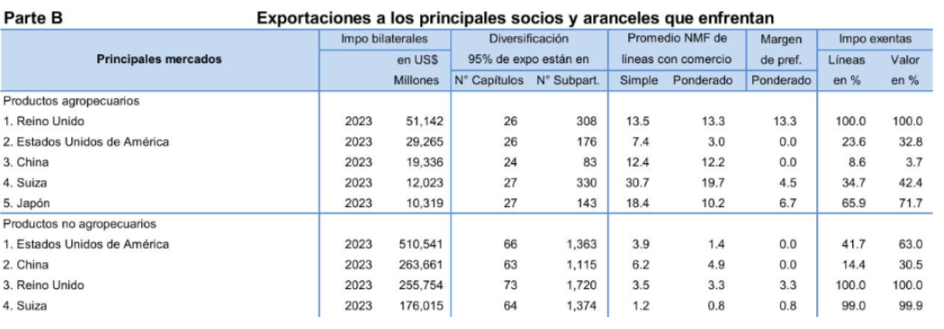
If Europe does not complete its approval, Argentina and its partners lose valuable time in turning that framework into productive investment, export expansion and improvements in international positioning. The initial experience shows that the delay prolongs transaction costs and reduces the full benefits in trade, investment and legal certainty.
The convergence of bureaucratic factors and political misgivings in the European Parliament poses a challenge for Mercosur. It is essential that the South American countries intensify diplomatic and technical pressure to speed up ratification, while developing trade strategies that do not depend exclusively on European approval.
Director of Pulso Internacional
Lawyer specializing in international trade and productive investment, with more than 25 years of experience in international trade negotiations as an adviser to governments and to companies going international. At Pulso Internacional we analyze foreign trade, bringing clarity and international context so that your company can export and invest more.
Related analysis
European Assessment of the EU-Mercosur Agreement: In 4 Months, European Exports Grow 9%
November 5, 2026 · 2 min
Why Has the US Increased Its Investment in Germany?
November 3, 2026 · 5 min