CIF-FOB Margins Weigh on Lower Regional Trade
Translated from the Spanish original. Read the original

Director of Pulso Internacional
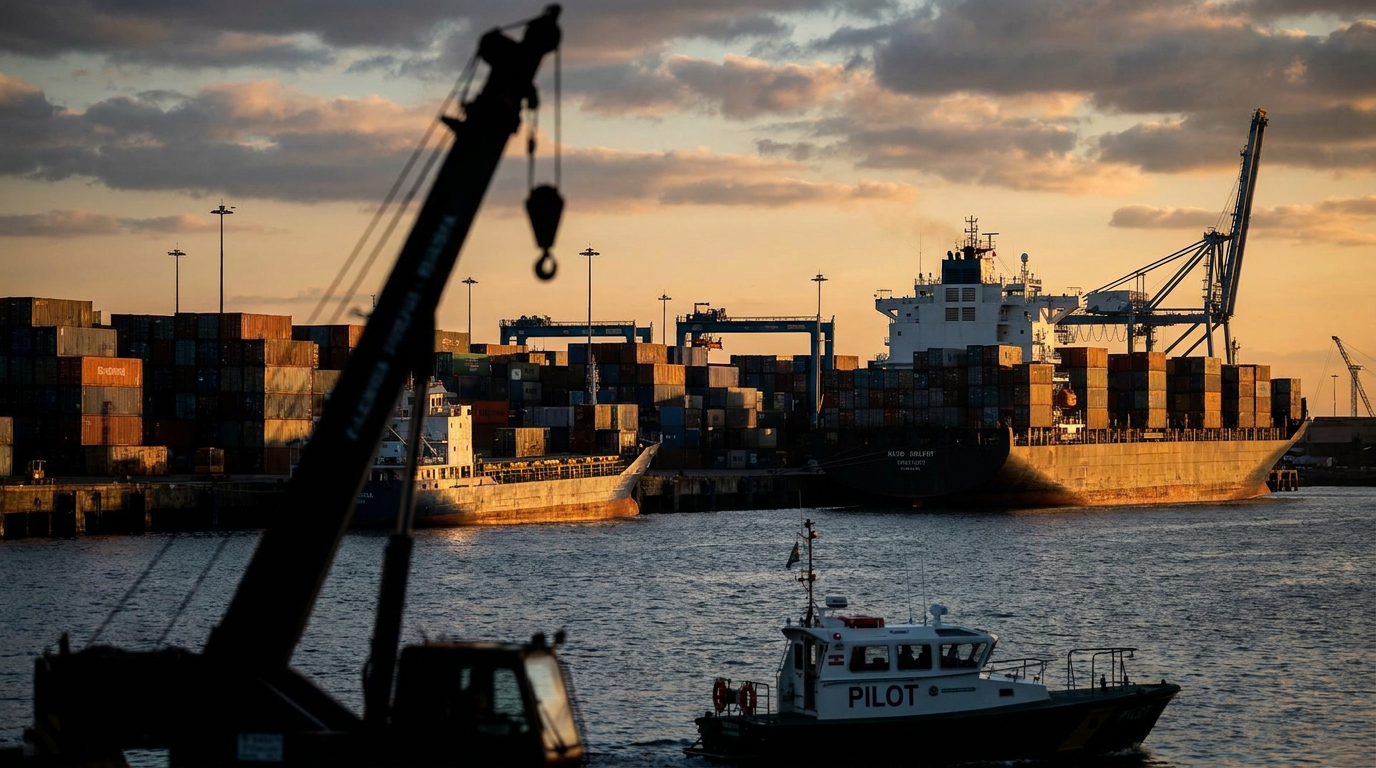
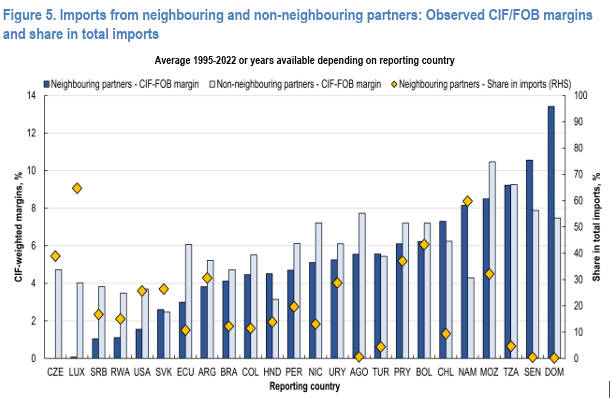
When we look at the differentials between FOB and CIF prices in Southern Cone trade, it becomes clear that geography is not the only determinant of international trade costs. OECD data for the 1995-2022 period reveal logistical asymmetries that set a worrying precedent for regional trade competitiveness, showing that trade margins respond to structural factors more complex than mere geographic distance.
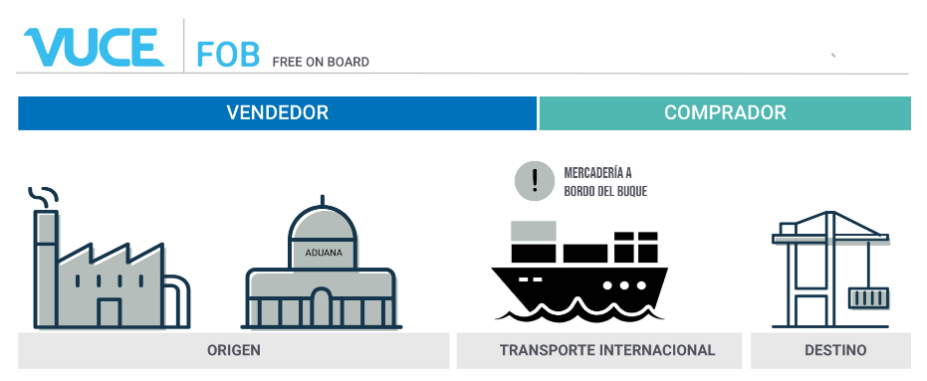
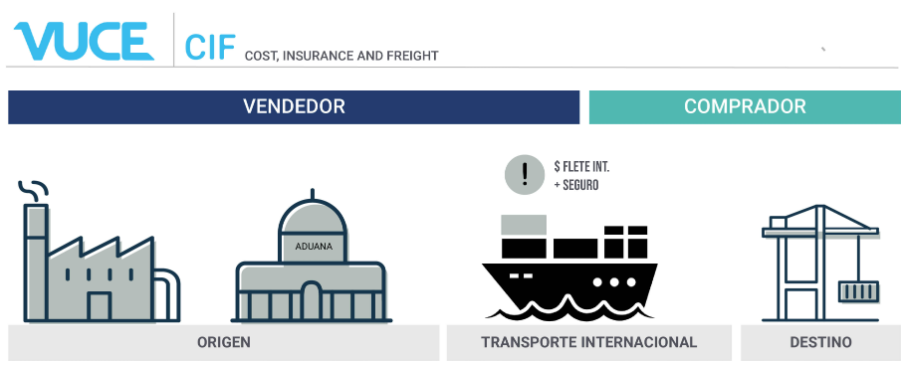
The CIF/FOB margin reflects freight and insurance costs that vary with distance, trading partner and logistics structure, making it a key indicator for assessing the efficiency of regional supply chains and, in many cases, the viability or otherwise of exports.
Paradoxes of South American intra-regional trade
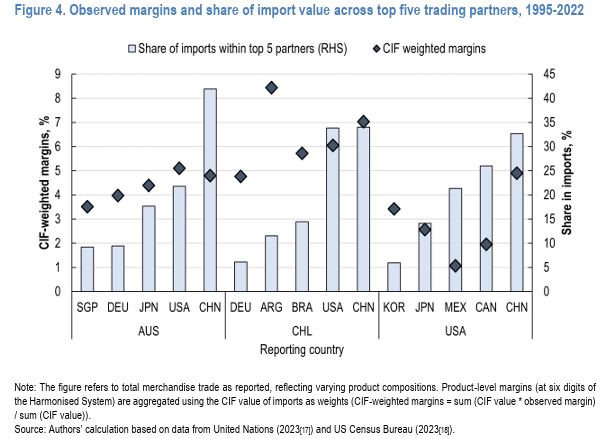
The analysis of Chile highlighted in the OECD report is the most revealing case of these asymmetries. While traditional economic theory suggests that trade costs rise in proportion to distance, the data show that trade with Argentina has the highest margin among Chile's five main partners, exceeding even that of extra-regional countries (see chart). In other words, it is cheaper for Chile to import goods from Germany than from Argentina. This anomaly contrasts with the pattern observed in the United States, where the lowest margins are associated with Canada (2%) and Mexico (1.1%), consistent with geographic proximity and the integration frameworks of NAFTA.
The Chilean-Argentine paradox matters when assessing the efficiency of Mercosur and the bilateral agreements in force. When Germany (DEU in the chart) shows the lowest margin for Chile, it becomes evident that consolidated maritime routes and the scale of trade flows can offset geographic distance, setting a precedent that calls into question the competitive advantages of South American intra-regional trade.
China as a factor in logistics reconfiguration
China's consolidation as the dominant trading partner in the region shows that the FOB/CIF gap reflects not only distance, but also transport and insurance costs, shipping routes, scale and logistics competition. This reality requires us to consider not only the traditional frameworks of regional integration and geographic proximity, but also the supply of cheap freight.
Implications for trade between Argentina and Chile
If Chile obtains more efficient margins with extra-regional partners than with Argentina, there is a clear need for a structural review of bilateral logistics infrastructure and of the regulatory frameworks that govern intra-regional trade.
.
Differences in trade costs show advantages where regional integration is consolidated.
Sources
- "OECD Statistics Working Papers 2024/05"Andres Fiallos, Antonella Liberatore, Steven Cassimon OECD — CIF-FOB Margins Report
- European Commission — Guide to Exporting Goods
Countries that are members of the OECD (Organisation for Economic Co-operation and Development) - Australia, Austria, Belgium, Canada, Chile, Czech Republic, Denmark, Estonia, Finland, France, Germany, Greece, Hungary, Iceland, Ireland, Israel, Italy, Japan, Korea (South), Luxembourg, Mexico, Netherlands, New Zealand, Norway, Poland, Portugal, Slovakia, Slovenia, Spain, Sweden, Switzerland, Turkey, United Kingdom.
Director of Pulso Internacional
Lawyer specializing in international trade and productive investment, with more than 25 years of experience in international trade negotiations as an adviser to governments and to companies going international. At Pulso Internacional we analyze foreign trade, bringing clarity and international context so that your company can export and invest more.
Related analysis

European Assessment of the EU-Mercosur Agreement: In 4 Months, European Exports Grow 9%
November 5, 2026 · 2 min
Why Has the US Increased Its Investment in Germany?
November 3, 2026 · 5 min