Food insecurity as a threat and an excuse
Translated from the Spanish original. Read the original
Director of Pulso Internacional
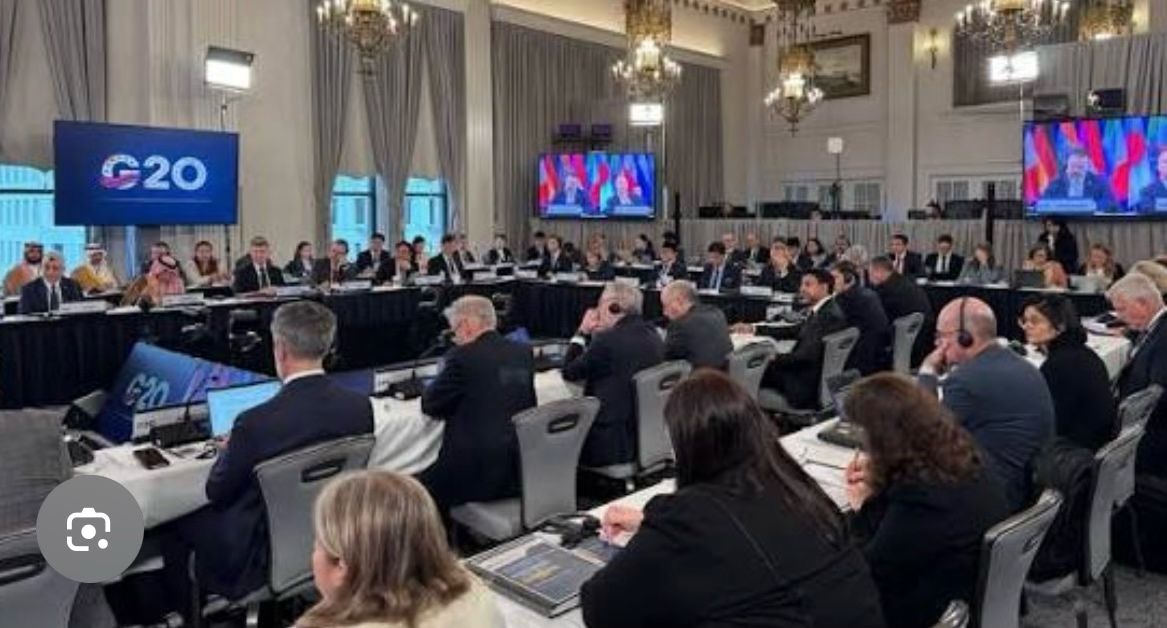
G20 ministers condemn coercive measures against food trade
G20 trade ministers agreed in Milwaukee on October 1, 2026 on a Statement on food and coercive trade measures, against a backdrop of rising food prices following trade disruptions, and as governments ease some trade restrictions and announce new or modified support measures (subsidies) for the agricultural sector, both in developed countries such as France and Italy and in developing countries such as China and India, whose price support for sugar is being challenged by Australia at the WTO.
"Coercive measures can disrupt specific agricultural and food supply chains, threatening food security, particularly for vulnerable populations, and the livelihoods of producers," the G20 trade ministers stated.
The FAO report
According to a September 2026 report by the Food and Agriculture Organization of the United Nations (FAO) submitted to the WTO, acute food insecurity remains particularly severe in countries affected by conflict, economic crises and extreme weather events. At the same time, global economic strains, stemming from slowing growth, renewed inflationary pressures and conflict-related disruptions affecting energy, freight and fertilizer markets, continue to deepen vulnerabilities, exacerbating acute food insecurity in several hotspots.
Much ado about little
The G20 condemned the use of food as a weapon, since it represents a significant humanitarian and economic threat. However, the ministers neither adopted nor proposed any measure offering effective solutions.
The food insecurity rationale is also used to grant trade-distorting subsidies to agriculture and food products that are not properly corrected by WTO instruments, resulting in unbalanced agricultural trade. It is important for Argentina to keep a close eye on the debates on agricultural trade and to push for new negotiations that level the playing field within the WTO.
Director of Pulso Internacional
Lawyer specializing in international trade and productive investment, with more than 25 years of experience in international trade negotiations as an adviser to governments and to companies going international. At Pulso Internacional we analyze foreign trade, bringing clarity and international context so that your company can export and invest more.
Related analysis
European Assessment of the EU-Mercosur Agreement: In 4 Months, European Exports Grow 9%
November 5, 2026 · 2 min
Why Has the US Increased Its Investment in Germany?
November 3, 2026 · 5 min