Tracking the Strait of Hormuz crisis
Translated from the Spanish original. Read the original

Director of Pulso Internacional
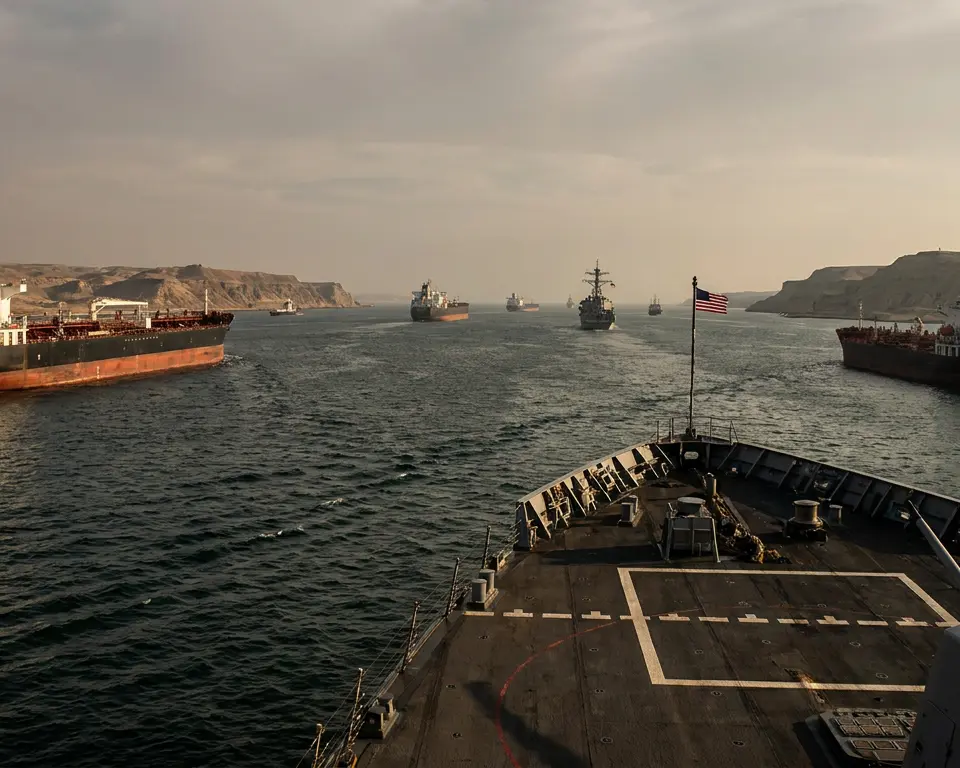
The International Trade Centre (ITC) has been tracking the Strait of Hormuz crisis, compiling news stemming from the conflict between Iran and the US that is reverberating around the world.
The Strait of Hormuz, just 33 kilometers wide at its narrowest point, is the only passage between the Persian Gulf and the Gulf of Oman. According to the ITC, the disruption of navigation through the Strait of Hormuz has exposed the vulnerability of the global supply of energy, fertilizers and industrial inputs to a single maritime chokepoint. Since late February, reduced commercial traffic and rising shipping and insurance costs have affected trade flows far beyond the region. The strait is a key strategic point for world trade, as it carries roughly a quarter of seaborne oil and a significant share of liquefied natural gas (LNG), in addition to being a critical route for fertilizer exports, including approximately one third of the urea traded worldwide. Recent pauses in the conflict have raised hopes that shipping may fully resume. However, traffic remains well below normal levels, and the timing and conditions for a sustained reopening remain uncertain.
According to analysis by the Center for Strategic and International Studies (CSIS), approximately 7.9% of global maritime transit, including between 17 and 19 million barrels of oil per day in periods of high demand, and it has produced an escalation in ocean freight rates. Meanwhile, UNCTAD is also continuously assessing the effects.
The market access measures monitoring module
Market Access Map's Measures Monitoring module has expanded its services to include the new trade measures adopted in connection with the conflict in the Strait of Hormuz. Since March, this new section has recorded and monitored 67 export and import measures to date, mainly affecting trade in energy, fertilizers and food. The macroeconomic disruptions stemming from the Strait of Hormuz crisis triggered an increase in broader trade measures linked to monetary stabilization and pressure on consumer prices, which led to several import bans in a number of countries
The International Trade Centre (ITC) and its tracking of the trade crisis stemming from the conflict in the Strait of Hormuz are today a key reference for foreign trade operators in Latin America. According to the latest reports from the Geneva-based organization, disruptions in that maritime corridor, through which approximately 21% of the world's oil and significant volumes of liquefied natural gas transit, have raised freight costs on Asia-Pacific routes to the South Atlantic by an average of 34% compared with the levels recorded in the first half of 2024. This tracking of measures adds to the tracking of measures of a geopolitical nature and those stemming from the war between Russia and Ukraine.
What is the ITC?
The ITC is the joint agency of the United Nations and the World Trade Organization (WTO), dedicated exclusively to supporting trade by small businesses in developing countries. Originally created by the General Agreement on Tariffs and Trade (GATT) in 1964, the ITC has operated since 1968 under the joint auspices of the GATT/WTO and the United Nations, the latter through the United Nations Conference on Trade and Development (UNCTAD). The ITC is the focal point of the United Nations system for technical cooperation with developing countries and economies in transition in the areas of trade promotion and export development.
Director of Pulso Internacional
Lawyer specializing in international trade and productive investment, with more than 25 years of experience in international trade negotiations as an adviser to governments and to companies going international. At Pulso Internacional we analyze foreign trade, bringing clarity and international context so that your company can export and invest more.
Related analysis
European Assessment of the EU-Mercosur Agreement: In 4 Months, European Exports Grow 9%
November 5, 2026 · 2 min
Why Has the US Increased Its Investment in Germany?
November 3, 2026 · 5 min