Strait Territory: Donald Trump Argued That the Strait of Hormuz Is New US Territory
Translated from the Spanish original. Read the original

Director of Pulso Internacional
The narrow territory may become a new US territory. On August 14, 2026, Donald Trump announced his intention to declare the Strait of Hormuz US territory, in the context of the negotiating doctrine of his second term as President of the United States.
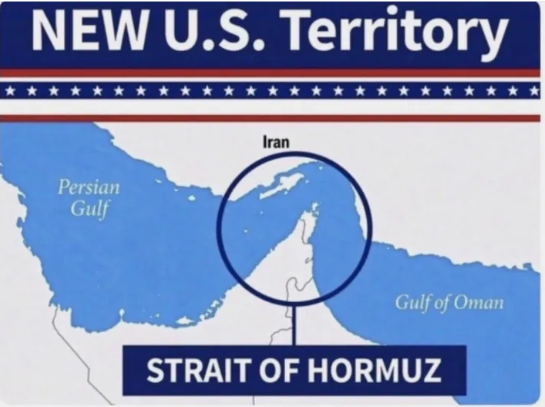
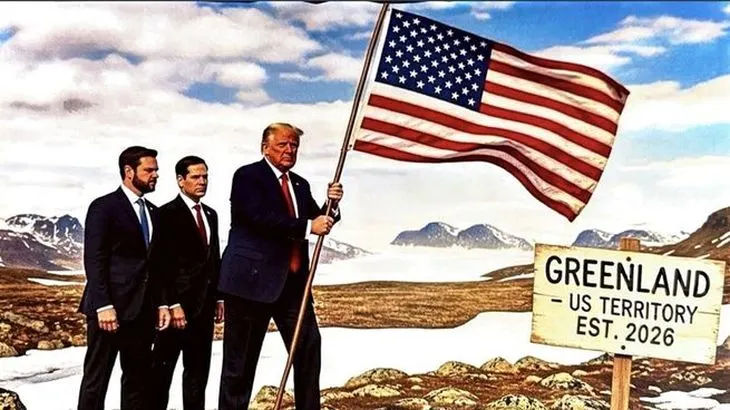
Indeed, the statement is not mere rhetoric but part of a negotiating pattern that, in the recent past, has included pressure over Greenland, the suggestion that Canada should become the fifty-first state, and the renegotiation of the USMCA. The claim over Hormuz is no different. It is the territorial threat turned into a bargaining chip for negotiation.
The Strait of Hormuz, a global chokepoint
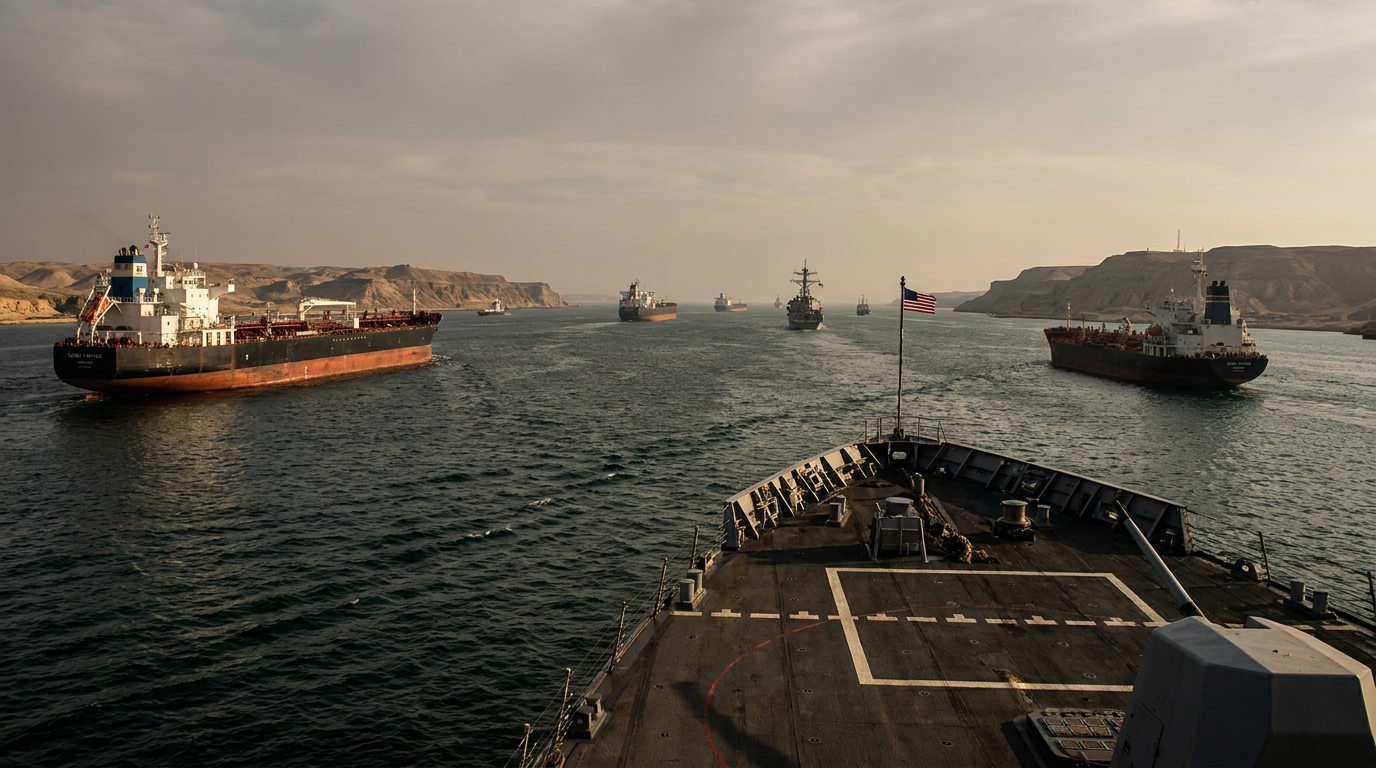
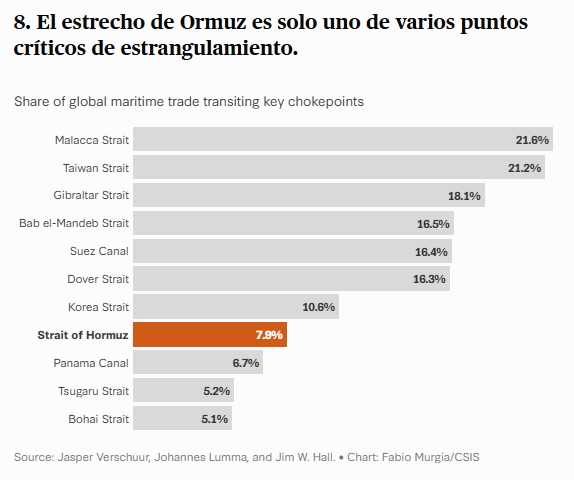
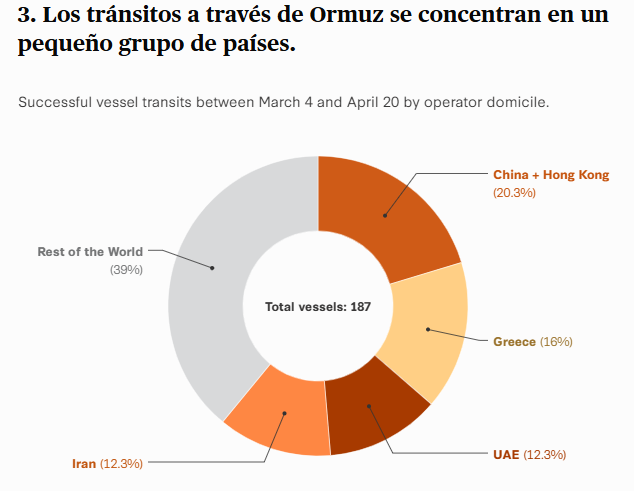
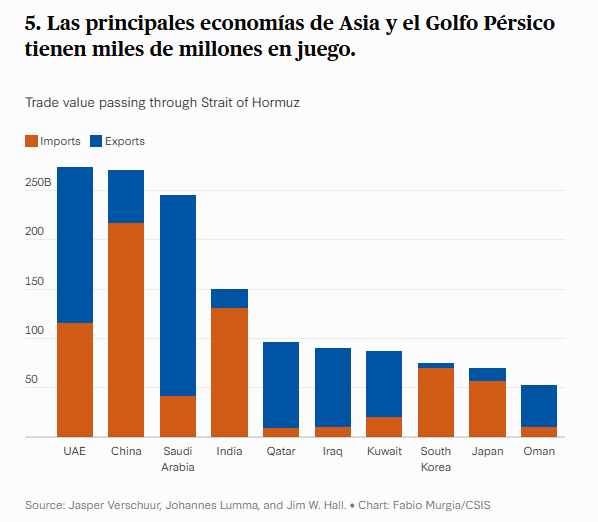
The Strait of Hormuz, just 33 kilometers wide at its narrowest point, is the mandatory passage between the Persian Gulf and the Gulf of Oman. According to the analysis by the Center for Strategic and International Studies (CSIS), approximately 7.9% of global maritime traffic, including between 17 and 19 million barrels of oil per day in periods of high demand, and it has produced an escalation in maritime freight rates. The most exposed economies are the Asian ones: China, Japan, South Korea and India which depend on the Strait of Hormuz to sustain their energy imports. Global trade passes through several straits, and although the Strait of Magellan is not currently among the most important, it is regionally relevant and would be even more so in the event of a closure of the Panama Canal.
 Legal grounds
In legal terms, the Strait of Hormuz is subject to the transit passage regime established by the 1982 United Nations Convention on the Law of the Sea (CNUDM in Spanish, or UNCLOS by its English acronym), approved by Argentina through Law 24,543 in 1995, which guarantees freedom of transit (Section 3) to all ships and aircraft, including warships. Both Iran and the Sultanate of Oman exercise sovereignty over the waters of the strait, while the United States, despite being one of the main participants in the negotiation of the agreement, has not signed UNCLOS. Neither has Iran. Currently 172 countries are signatories to UNCLOS, including Oman (since 1989), which reaffirms freedom of navigation in the Strait of Hormuz and demands compliance with UNCLOS. Compliance with the agreement within the UN framework takes on importance for countries such as Argentina, with an extensive coastline. Participation in the system of multilateral organizations is being challenged by the US president, who announced, in January 2026, the withdrawal of the US from more than 60 international organizations, treaties and conventions, such as the World Health Organization and several UN commissions, and, as Diana Tussie puts it, in a kind of “break everything” approach to the system of international organizations in order to enable a hegemonic reconfiguration.
The doctrine of territory as a negotiating argument: Greenland, Canada and Hormuz
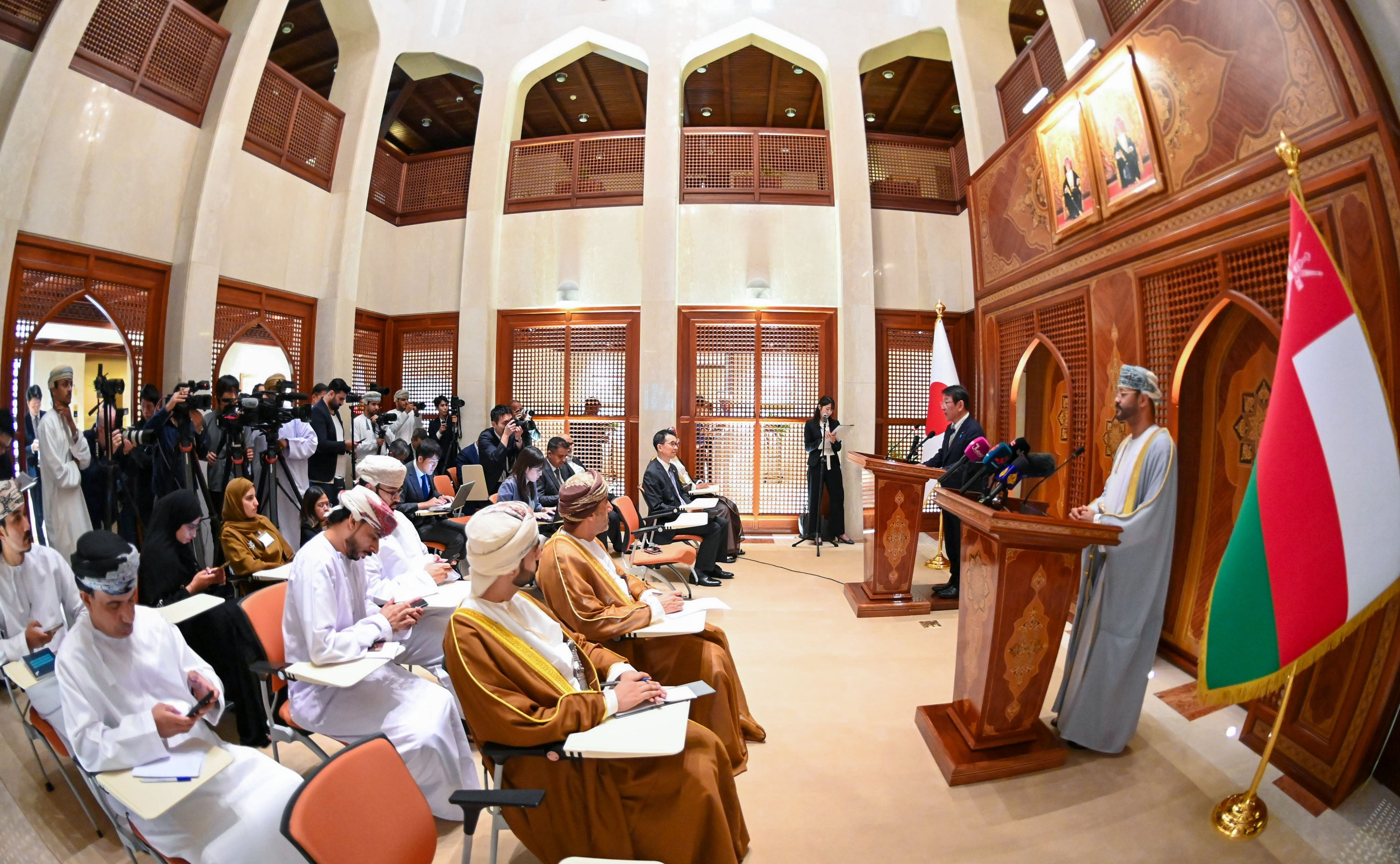
It is evident that the Trump administration's territorial claims do not respond to a doctrine of classic territorial expansion in the Westphalian sense of the term, at least so far. None of the three situations (Greenland, Canada and now Hormuz) has as its immediate objective the formal incorporation of territory. Their function is to establish the threat as a condition for negotiation, destabilizing the multilateral framework that, since 1945, has operated as a limit on the unilateralism of the great powers. The pattern is consistent. In the case of Greenland, the pressure on Denmark had as its implicit corollary the negotiation of access to critical mineral resources and Arctic positioning vis-à-vis Russia and China. The signing of the Turnberry agreement between the EU and the US, called by Trump "the biggest ever", entailed a series of trade and investment commitments for the EU, while in Venezuela the capture or kidnapping of its president enabled the participation of US companies in the extraction of Venezuelan oil. In the Canadian case, the "fifty-first state" rhetoric served as pressure during the renegotiation of bilateral trade commitments, which are constantly shifting (as of this writing, tariffs on Canadian products were back at 50%). The claim over Hormuz, by contrast, is directed not only against Iran or Oman, but also at the Asian powers that depend on the strait for their energy security. It is a signal aimed at Beijing, Tokyo and Seoul as much as at Tehran. In this regard, Japan is drawing closer to the Sultanate of Oman in an effort to secure allies that would allow it to navigate the strait, as shown by the meeting held on August 20, 2026 in Muscat, the capital of Oman.
"Trump said he will declare the Strait of Hormuz US territory."
— Al Jazeera, August 14, 2026
Iran at the center: asymmetric escalation and the risk of a closure
Iran's response to Trump's statement was swift. Iran has repeatedly threatened to close the strait in the event of a military escalation, and the US president's remarks are being used by hardline sectors of the regime to consolidate their positions. The verbal escalation of recent weeks has strained a situation following the ceasefire agreements in Gaza and with nuclear negotiations on hold. An effective closure of the strait, even a partial or temporary one, constitutes a systemic risk for the global economy.
South America and the risk to its territory
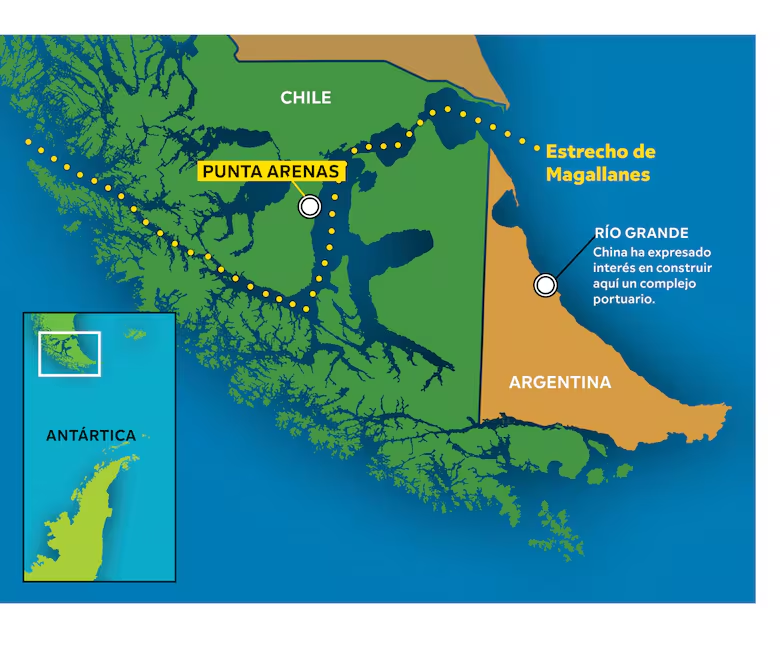
The prominence of the threat of territorial occupation in different parts of the world as a foreign policy argument (by the US as well as the United Kingdom and Russia), together with the arms buildup under way in Europe, the US and China, and the importance of straits for navigation and international trade, should lead us to devise new strategies linked to trade and defense issues to address situations such as the illegal occupation of the Malvinas (Falkland) Islands and the South Atlantic islands by the United Kingdom and the renewed interest of the US and China in the passage through the Strait of Magellan.
Sources
- Al Jazeera — Trump says he will declare strait of Hormuz a US territory (August 14, 2026)
- CSIS — The Strait of Hormuz in 8 Charts (2026)
- The Guardian — Trump: Strait of Hormuz American territory (August 21, 2026)
- UPI — Trump: Strait of Hormuz territory (August 22, 2026)
- El Litoral — Trump, Iran, Hormuz: the United States, the Middle East and the conflict in the strait (2026)
Director of Pulso Internacional
Lawyer specializing in international trade and productive investment, with more than 25 years of experience in international trade negotiations as an adviser to governments and to companies going international. At Pulso Internacional we analyze foreign trade, bringing clarity and international context so that your company can export and invest more.
Related analysis

European Assessment of the EU-Mercosur Agreement: In 4 Months, European Exports Grow 9%
November 5, 2026 · 2 min
Why Has the US Increased Its Investment in Germany?
November 3, 2026 · 5 min