EFTA-Mercosur Free Trade Agreement Enters Its Final Phase
Translated from the Spanish original. Read the original

Director of Pulso Internacional
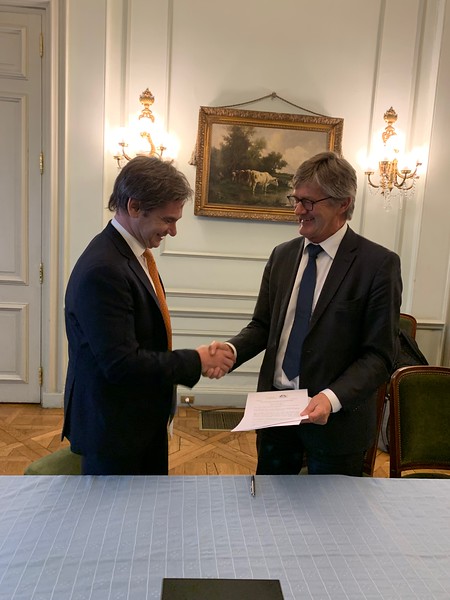
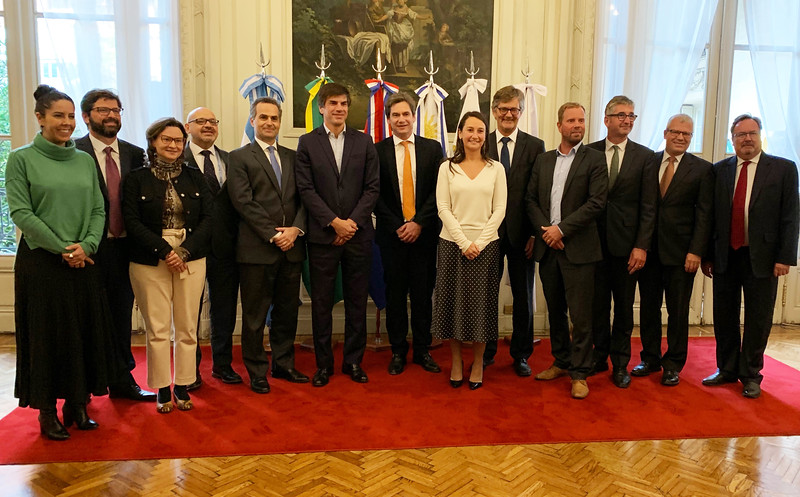
Photo: August 24, 2019 - EFTA-Mercosur Agreement negotiators
The recent meetings in the Congresses of Argentina and Brazil to assess the Free Trade Agreement between MERCOSUR and EFTA (European Free Trade Association), signed on September 16, 2025 in Rio de Janeiro, Brazil, show that it is in a decisive phase of parliamentary ratification in both countries and approaching entry into force, creating a strategic trade opportunity for regional access to high per capita income European markets. The four countries that make up EFTA: Switzerland, Norway, Iceland and Liechtenstein have a combined population of 14 million, with average incomes above US$70,000 per capita per year, and maintain close trade ties with the European Union without being part of the bloc, which could also complement various strategies for entering the European market.
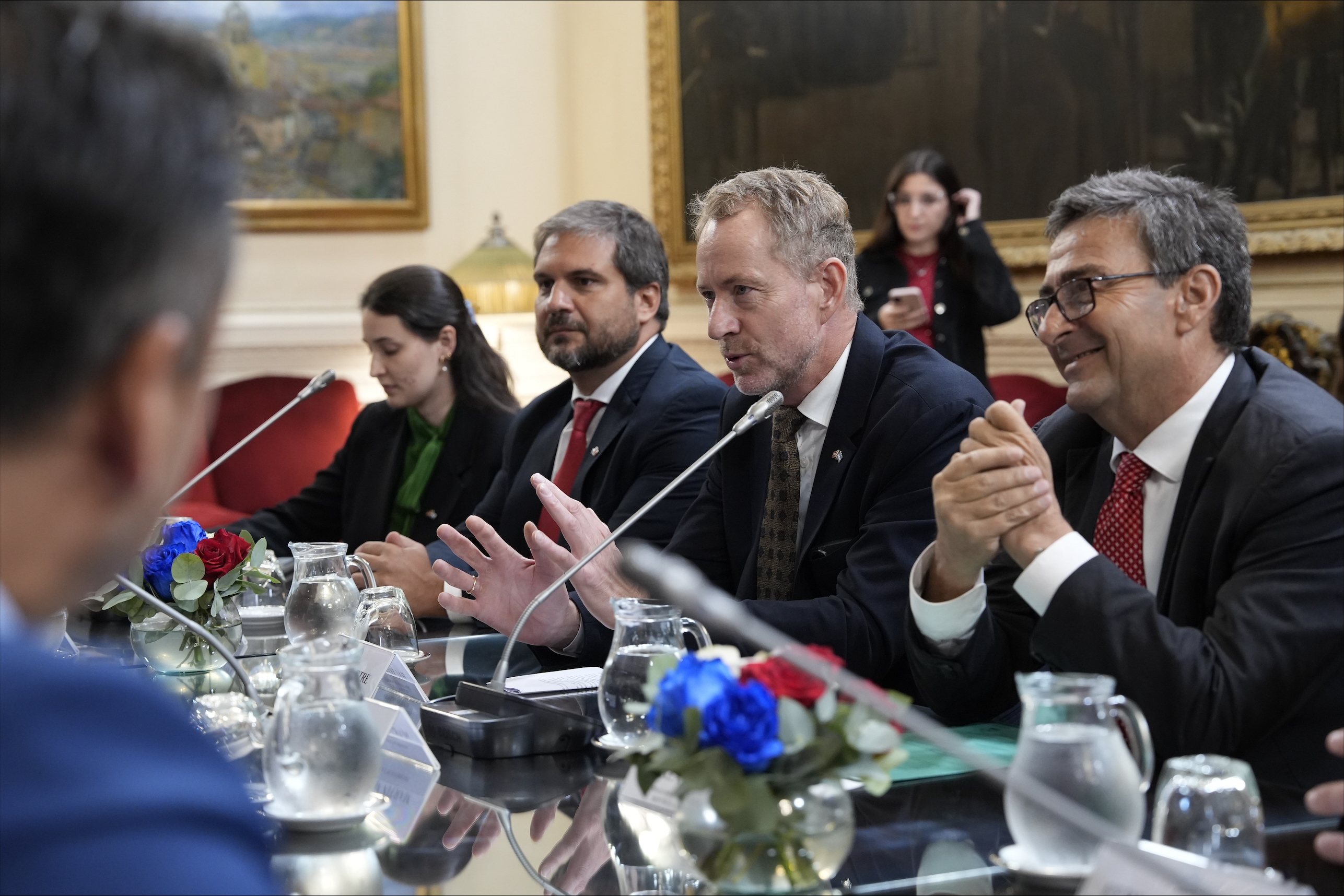
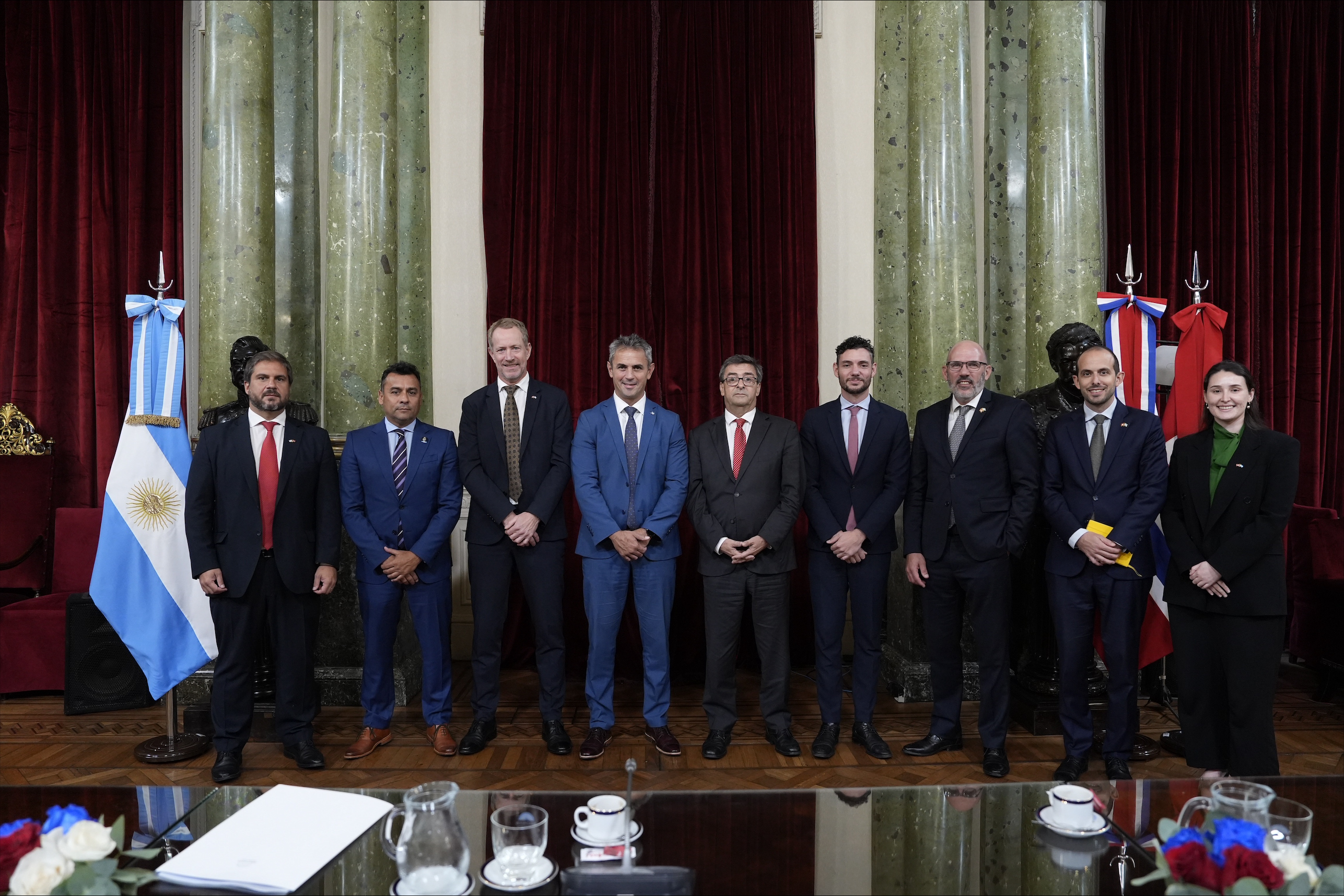
Photo: Luciano Ingaramo/Argentine Senate Press Office and the Honorable Chamber of Deputies. April 2026
Regulatory framework and scope of tariff reduction
As a comprehensive and wide-ranging Free Trade Agreement (FTA), the EFTA-MERCOSUR FTA covers trade in goods and services, investment, intellectual property rights, public procurement, technical barriers to trade, sanitary and phytosanitary measures, competition, legal and horizontal issues, including dispute settlement, and trade and sustainable development, and it promotes cooperation in areas such as animal welfare and sustainable agriculture. With preferential access for more than 97% of trade between the two blocs, the architecture of the agreement provides for broad tariff coverage with differentiated tariff reduction schedules: immediate tariff access for Mercosur, and gradual reductions for EFTA of between 4 and 15 years depending on the product.
Trade and investment opportunities
According to EFTA, current bilateral trade in goods between EFTA and MERCOSUR amounted to €8.3 billion in 2024, with EFTA exports valued at €5.26 billion and imports from MERCOSUR valued at €3.07 billion. For its part, the Agricultural Negotiations Institute (INAI, Instituto de Negociaciones Agrícolas Internacionales) identified significant opportunities for Argentine exports in all EFTA countries, since the agricultural sector currently faces the highest tariff barriers. Notable examples include animal products (with average applied tariffs of 76%, 118% and 110% for Iceland, Norway and Switzerland, respectively), dairy products (87%, 121%, 133%), cereals (21%, 48%, 22%), oilseeds, fats and oils (7%, 22%, 23%), and beverages and tobacco (8%, 20%, 33%). The country with the greatest trade potential appears to be Switzerland, which offers products with potential for around 90% of Argentina's exportable agro-industrial supply, while Norway emerges as a potential investor in areas related to LNG and in fisheries, shipbuilding and offshore platform development. The investment chapter of the Agreement provides that investors may send inquiries to a Focal Point, and also includes a provision on the corporate social responsibility of companies. The Agreement also provides for a Bilateral Safeguard Mechanism, which allows the temporary suspension of the tariff reduction schedule for tariff preferences, or a reduction of them, when imports of products under preferential treatment increase in such a way as to cause or threaten to cause serious injury to a domestic industry sector.
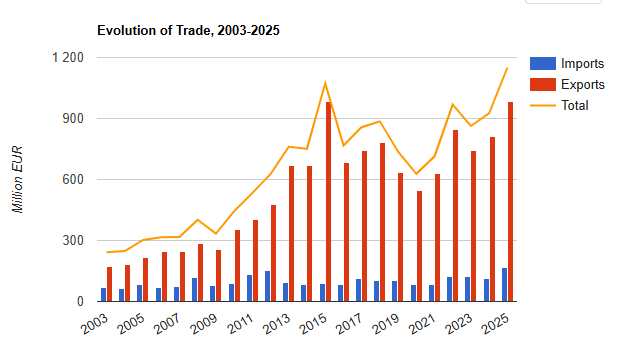
Trade and investment in Argentina. In 2025, Argentina's exports to the EFTA countries were €166 million, while imports reached €984 million.
Evolution of EFTA - Argentina Trade (Source and perspective: EFTA)
Investment: Several Norwegian companies have new productive investments in Argentina, among them Golar LNG, which together with Southern Energy (SESA) will install two floating LNG plants in 2027 and 2028, allowing Argentina to export liquefied natural gas for the first time, and Equinor, which operates eight offshore blocks in the Argentine Sea and has decided to strengthen its presence by focusing on offshore development. Companies such as Yara, Hydro, Estremar, Rystad Energy, DOF, DNV, Kongsberg Digital, NOV, Corvus, Zinus and HF Offshore are also present, active in energy, agribusiness, certification, logistics and digitalization.
Parliamentary ratification
Parliamentary ratification in Argentina and Brazil faces complex domestic negotiation processes, particularly in sectors that could be affected by greater competition from European products. Local industrial lobbies have voiced specific concerns about the impact on the chemical and pharmaceutical industries, sectors where Swiss producers hold significant technological advantages. However, there are winds of change in trade perceptions that anticipate its entry into force. In this regard, the entry into force of the Interim Trade Agreement between Mercosur and the EU seems to have accelerated legislative consideration in both countries.
The EFTA-Mercosur Free Trade Agreement, amid an unstable geopolitical and trade environment, can be a tool for companies that offers certainty and access advantages to a high-purchasing-power market, as well as a concrete possibility of promoting productive investment.
References:
1) MRECIC - MERCOSUR - EFTA
2) EFTA
Director of Pulso Internacional
Lawyer specializing in international trade and productive investment, with more than 25 years of experience in international trade negotiations as an adviser to governments and to companies going international. At Pulso Internacional we analyze foreign trade, bringing clarity and international context so that your company can export and invest more.
Related analysis
European Assessment of the EU-Mercosur Agreement: In 4 Months, European Exports Grow 9%
November 5, 2026 · 2 min
Why Has the US Increased Its Investment in Germany?
November 3, 2026 · 5 min