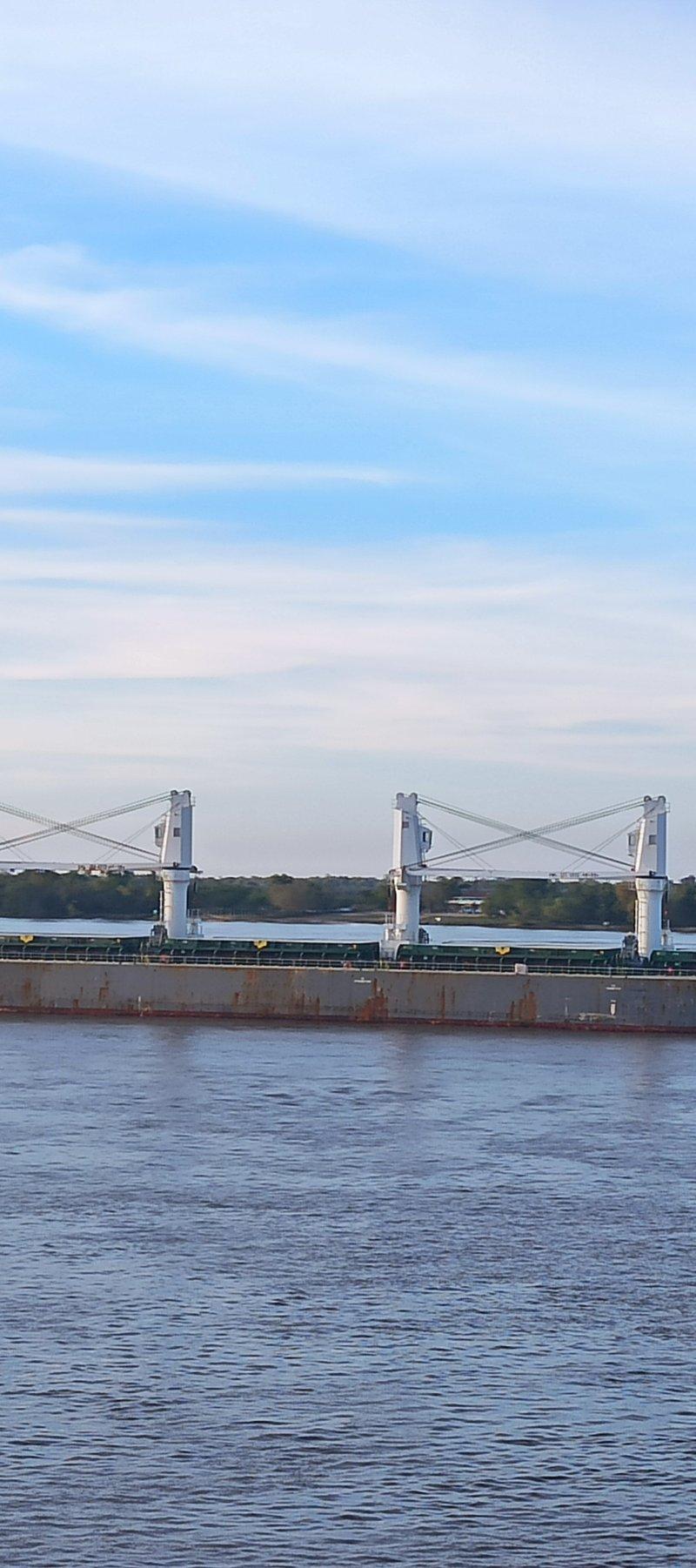
Rio Tinto opens two lithium plants in Catamarca worth US$1.4 billion
Translated from the Spanish original. Read the original
Director of Pulso Internacional
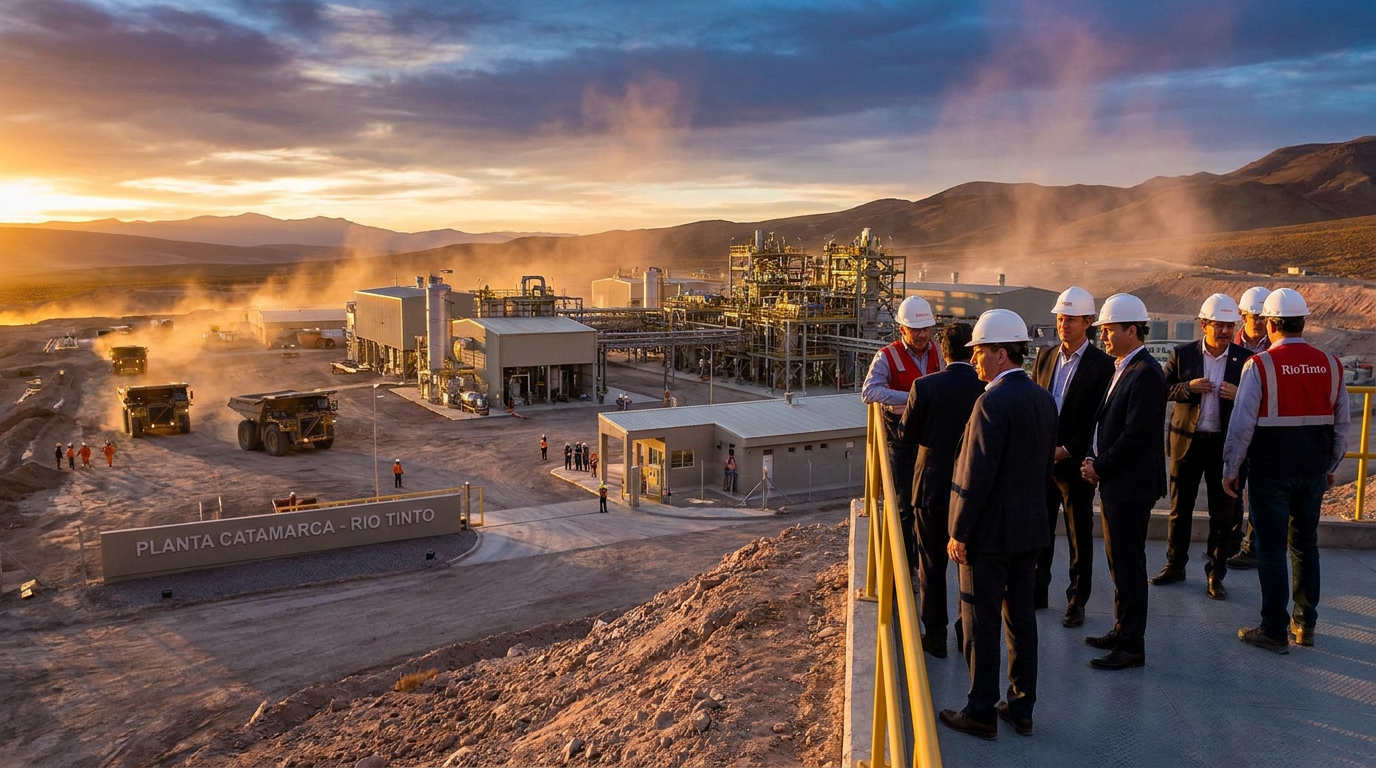
On Wednesday, October 28, in the heart of the Catamarca Puna, President Javier Milei and Governor Raúl Jalil received the CEO of Rio Tinto, Simon Trott, for the official inauguration of two mining projects related to lithium production in Argentina: the Fénix 1B expansion and the new Sal de Vida operation. The combined investment of around USD 1,400 million is one of the largest outlays of foreign capital in non-metallic mining ever made in northwest Argentina in its recent history. It is a signal about the direction of the RIGI incentive regime, but at the same time about the limits of a model of integration based exclusively on the extraction of commodities.
It is also important to note that Rio Tinto is one of the largest mining groups in the world, with international operations diversified globally, but its headquarters are in London, United Kingdom. Consequently, the investment is made under the umbrella of the Bilateral Treaty for the Promotion and Reciprocal Protection of Investments between Argentina and the United Kingdom of Great Britain and Northern Ireland, approved by Law 24,184 in 1992, which must be taken into account throughout the entire cycle of the investment project.
Two plants, one platform, an industrial threshold
Rio Tinto, with its Fénix project, has operated since 1997 in the Salar del Hombre Muerto, in the province of Catamarca, and it was Argentina's first commercial lithium production. The 1B expansion adds 10,000 tonnes of additional annual LCE (Lithium Carbonate Equivalent) capacity to the existing operation, raising its total nameplate capacity to approximately 40,000 tonnes per year. Sal de Vida, located some 60 kilometers northeast of Fénix, contributes a target annual capacity of 15,000 tonnes of LCE. Together, both operations—once the ramp-up process is complete—will add 25,000 tonnes per year of lithium carbonate equivalent to the country's installed capacity. Both projects achieved first production in the second quarter, ahead of schedule, which is a relevant management indicator: in the mining sector, where delays in construction and commissioning are the norm rather than the exception, early execution speaks of an operation with the technical and financial capacity to absorb contingencies. Simon Trott stated at the inauguration ceremony:
"These two projects build on almost three decades of lithium production in Catamarca and on the experience and technical expertise of our people in Argentina. They demonstrate our industry-leading project execution capability as we advance with discipline toward our global goal of reaching an annual production capacity of 200,000 tonnes of lithium carbonate equivalent by 2028."
Rio Tinto's lithium platform in Argentina is not limited to Catamarca: it includes operations and developments in Jujuy and Salta, notably the Rincón project.
The RIGI as a selling point for foreign investment: what the stakeholders say and what the sources leave out
Governor Jalil left no room for ambiguity about the regulatory framework that, in his reading, made it possible to accelerate these investments when he stated:
"The RIGI has given us the opportunity to accelerate all the investments. Above all, the RIGI gives us federalism, because we generate jobs and investment in the province. When you grow with your own resources, you generate genuine employment, you can diversify the economic base, generate tourism and build roads."
The Incentive Regime for Large Investments (Régimen de Incentivo para Grandes Inversiones), incorporated into Argentine law in 2024, offers projects of this scale thirty-year tax stability, free access to foreign currency and the elimination of export duties on products covered by the regime, among other advantages. From the perspective of a global mining investor deciding where to allocate capital within the lithium triangle —Chile, Bolivia and Argentina— the legal predictability the RIGI promises is a genuine competitive differentiator. Rio Tinto's announcement of two projects worth USD 1.4 billion is the proof of concept the national government needed to validate the regime in the eyes of other potential investors. However, it is clear that the strength of that signal has a flip side that the sources, amid the euphoria over the investments, do not address and that this publication has analyzed in previous articles on investment in Argentina's mining sector and on Argentina's integration into global value chains: the absence of performance requirements in the RIGI means that the State cannot require the holders of approved projects to incorporate local processing, to hire domestic suppliers above a given threshold, or to transfer technology. Under that scheme, the likelihood that Argentina's lithium value chain will remain confined to the extractive stage, technical-grade lithium carbonate or hydroxide, is considerably high.
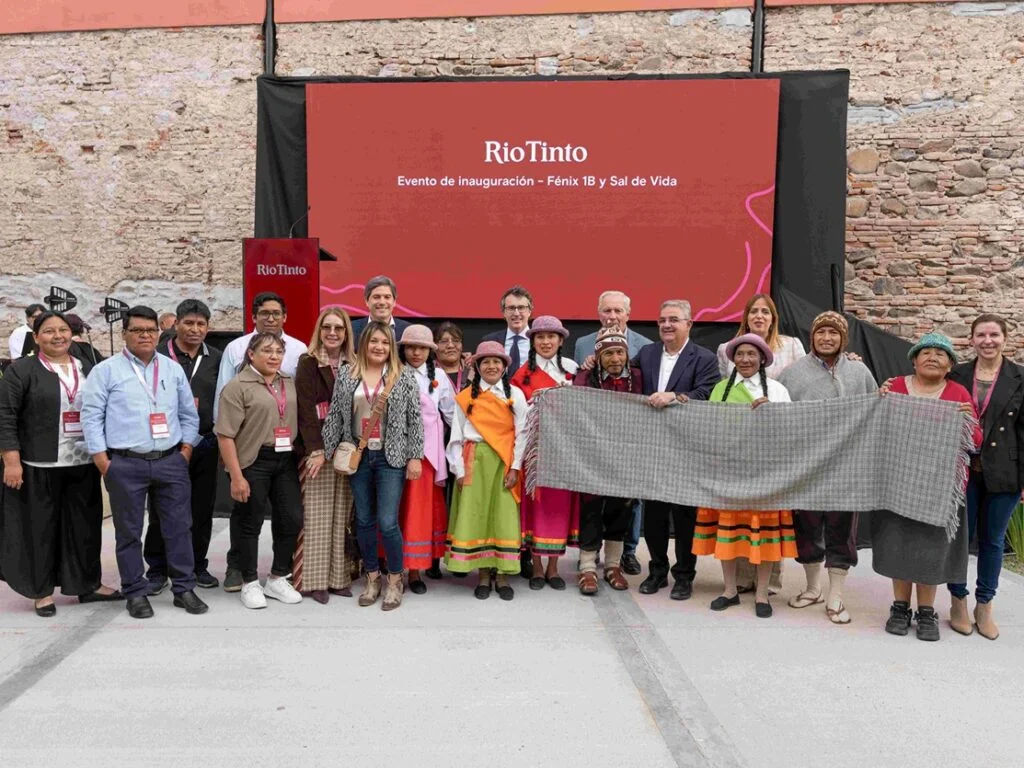
Photo: La Hora de Salta
The question that must be asked: who captures the value?
To put the magnitude of what is at stake into context, it is worth considering that technical-grade lithium carbonate —the product Argentina exports— trades on international markets at a fraction of the price of battery-grade lithium hydroxide, and at an even smaller fraction of the value of the battery cells and packs that are ultimately integrated into electric vehicles. As we analyzed in this publication when covering the moves of BYD and POSCO in the local market, the value gap between the raw material and the manufactured product is the central argument of any industrial policy that seeks to turn geological wealth into sustainable industrial development.

Observatorio PyME Minero (OPM) UBA
According to the report by the Mining SME Observatory (Observatorio Pyme Minero), lithium carbonate is once again trading at around 97,000 yuan per tonne, some USD 14,544, after losing more than a quarter of its value in one month. The price of lithium on the day-to-day market (spot) has suffered a brutal collapse from the all-time highs of 2022: it fell from almost 80,000 dollars per tonne to just over 14,500 dollars.
On the other hand, however, the value of the finished cell is between 4 and 6 times greater than the value of the lithium (LCE) it contains.
The inauguration of Fénix 1B and Sal de Vida does not solve that equation; it makes it more urgent. The larger the scale of lithium carbonate production without further processing on national territory, the greater the opportunity cost of not having established, from the design of the RIGI onward, conditions that would encourage, without the need for coercive obligations, the location of intermediate or final stages of the chain in the country. The comparative experience of Chile with its National Lithium Strategy, or that of Indonesia with its ban on exports of unprocessed nickel, illustrates that there are industrial policy instruments compatible with attracting FDI that Argentina has not incorporated into its regulatory design.
This does not detract from the event itself: 25,000 additional tonnes of LCE per year, a large-scale investment and a global company renewing its commitment to the Catamarca Puna are, in objective terms, positive news for the province, for the national treasury and for Argentina's credibility as a destination for mining investment.
Increasing local value and critical minerals as part of the negotiation over hydrocarbons in the South Atlantic
The investment window remains open, but it requires decisions that go beyond the inauguration of plants. For Argentina, this means that the next conversation with Rio Tinto, with the British government and with the investors who are watching the Catamarca case as a signal should not revolve solely around the speed of the investment or the timetable of the Rincón project. It should take into account which conditions, incentives and technological cooperation agreements can ensure that the next phase of investment incorporates higher value-added processing on Argentine soil. The gap between the ambition of becoming a global strategic supplier of critical minerals and the concrete execution of an industrial policy to sustain it is measured in tonnes of carbonate that leave the country without further transformation. The supply of critical minerals to the United Kingdom must also be seen through the strategic lens of the negotiation over joint production of hydrocarbons in the South Atlantic, since the bilateral relationship cannot be analyzed in watertight compartments.
Sources
- Catamarca TV — Rio Tinto celebrates the inauguration of two lithium projects worth USD 1.4 billion in Argentina (October 28, 2026)
- Inforama — With Milei present, Rio Tinto inaugurated two lithium projects worth USD 1.4 billion in Argentina (October 29, 2026)
- La Hora de Salta — Catamarca: Milei took part in the inauguration of two lithium projects worth USD 1.4 billion (October 28, 2026)
- Pulso Internacional — BYD considers batteries in Argentina; POSCO inaugurates its second plant
- Pulso Internacional — Argentina: value chain and AI
- Pulso Internacional — Chinese investment in Argentina's mining sector
Director of Pulso Internacional
Lawyer specializing in international trade and productive investment, with more than 25 years of experience in international trade negotiations as an adviser to governments and to companies going international. At Pulso Internacional we analyze foreign trade, bringing clarity and international context so that your company can export and invest more.
Related analysis

European Assessment of the EU-Mercosur Agreement: In 4 Months, European Exports Grow 9%
November 5, 2026 · 2 min
Why Has the US Increased Its Investment in Germany?
November 3, 2026 · 5 min