Vietnam as a New Market for Argentine Sugar
Translated from the Spanish original. Read the original

Director of Pulso Internacional
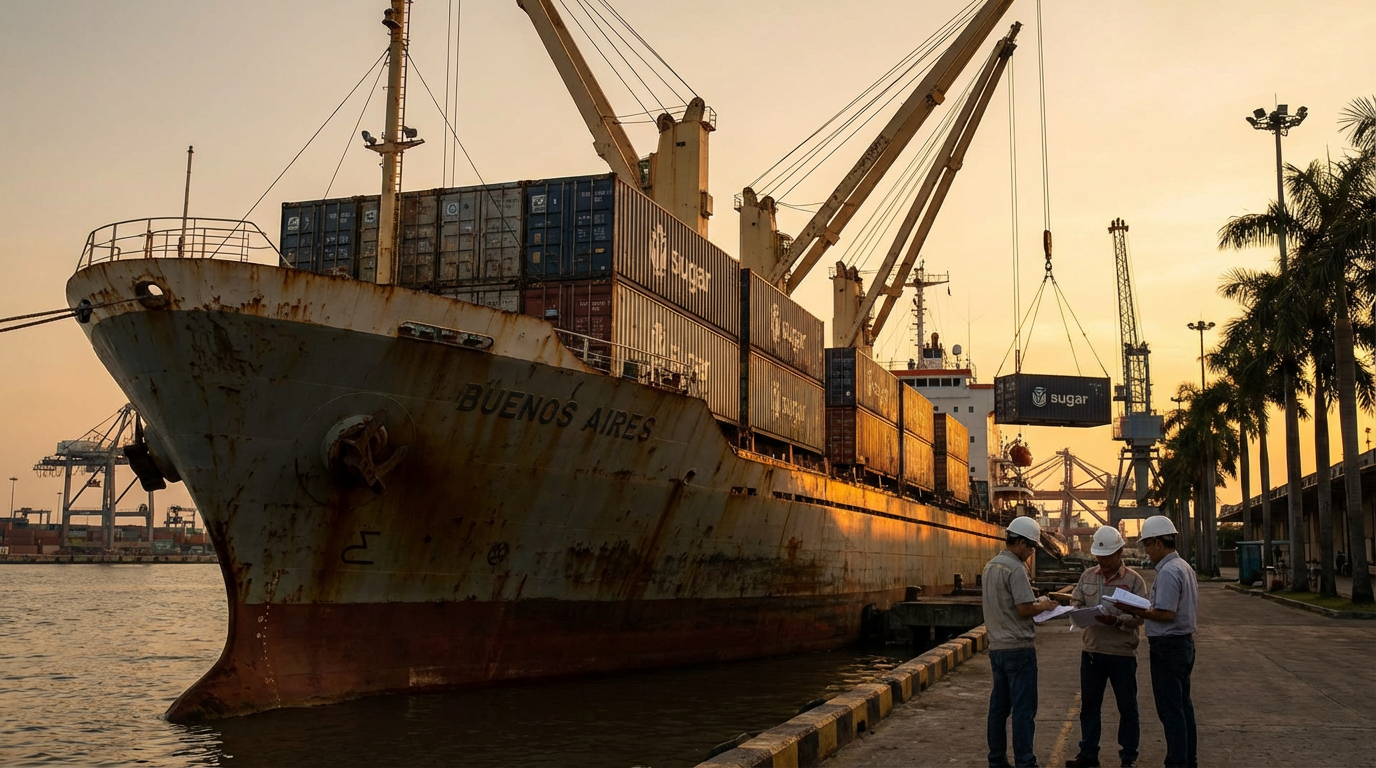
When we look at the landscape of Argentine sugar exports, which experienced 43% year-on-year growth in the first two months of 2026, it is evident that market diversification has become a fundamental strategy for the sector. In this context, Vietnam emerges as a strategic opportunity for Argentine sugar that deserves a detailed analysis, especially considering that it is the main destination by volume for Argentine agricultural exports.
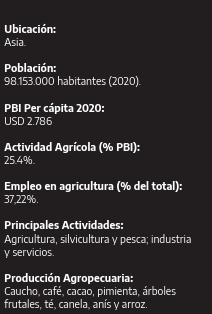
I. The Dynamics of the Vietnamese Sugar Market
Vietnam is a sugar producer but is unable to meet domestic demand, and it currently operates as a net importer, and Argentine sugar can accompany that growth. The country's accelerating urbanization, the growth of its middle class, together with the expansion of the processed foods and sweetened beverages sector, has generated sustained demand that exceeds domestic production. Import prices reflect this competitive dynamic.
Unit transaction prices for white sugar imports sampled by date in Vietnam: 8-3-2026: USD 0.94 / kg, 8-3-2026: USD 0.95.
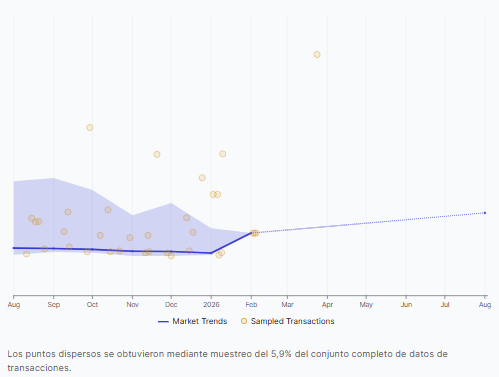
This gap evidences both the competitive pressure of imports and the opportunities for efficient suppliers. In the retail market, a kilogram of sugar in January cost USD 1.253.

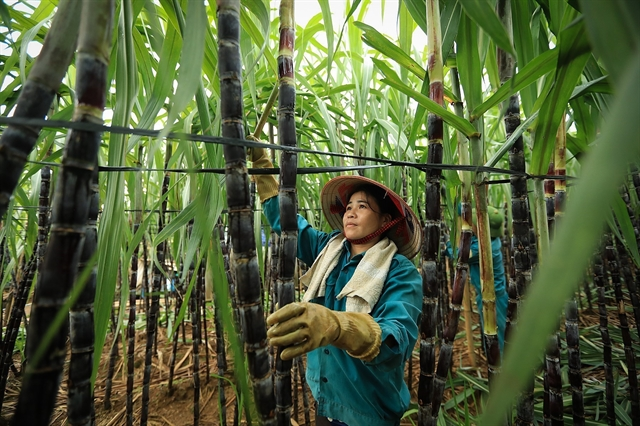
A farmer harvests sugar cane on a farm in Cao Phong commune, Phú Thọ province. — Photo by VNA/VNS
II. Regional Disruptions and Opportunities for Third Countries
Imported sugar generally comes from the ASEAN region, which puts it at a tariff disadvantage relative to Argentine sugar. However, political tensions with several of these countries, smuggling, and commercial competition with them in third markets lead the government to adopt trade defense measures such as anti-dumping duties against sugar from these origins. This reconfiguration has benefited suppliers such as Brazil, which has already established trade flows to the Vietnamese market and reflects the diversification of suppliers that constitutes a deliberate policy of the Vietnamese government.
III. Argentina's Position: Installed Capacity and Commercial Opportunity
Argentina maintains a consolidated trade relationship with Vietnam, as evidenced by the fact that the Asian country is the main destination by volume for Argentine agro-industrial exports.
However, this relationship has traditionally been concentrated in commodities such as soybeans and corn, with Argentine sugar absent from the main export basket. Products of Argentine origin are subject to the preferential import tariff, that is, the MFN/WTO tariff, thanks to the agreement signed in 1996 between the governments of Argentina and Vietnam. The current context is particularly favorable, since Argentine agro-industrial exports reached a record volume of 18.5 million tons worth USD 7,595 million in the first two months of 2026, with sugar standing out among the products with the highest growth.
The convergence between the record growth of Argentine sugar exports and Vietnam's position as the leading destination for our agricultural products creates a commercial opportunity.
IV. Strategic considerations and regulatory frameworks
Argentina needs to deepen its trade and political relationship with Vietnam and place it on the agenda of greater integration, adding this country to its bilateral engagement strategy and joining the circle of Vietnam's Comprehensive Strategic Partnerships, such as those it holds with France (October 2024), Malaysia (November 2024), New Zealand (February 2025), Indonesia (March 2025), Singapore (March 2025), Thailand (May 2025), the United Kingdom (October 2025) and the European Union (January 2026), at the highest level of Hanoi's diplomatic hierarchy.
Entering the Vietnamese market with Argentine sugar requires navigating a complex but manageable regulatory environment. Tariff classification is crucial: refined sugar (HS code 170199), that is, refined white sugar, is the highest-volume product, but brown sugar (HS code 170114) offers the best commercial prospects, given that Vietnam shows steady import activity in this category. The Vietnamese government has adopted trade measures to defend its sugar sector, such as quotas and anti-dumping and countervailing duties on sugar imports, mainly from Thailand (which, as an ASEAN member, used to pay only a 5% tariff), owing to concerns about unfair competition and threats to its domestic industry, with rates reaching up to 47.64% for some Thai producers. These duties, first applied in 2021, were extended and now remain in place until mid-2026, with specific rates for the main producers such as Mitr Phol and Thai Roong Ruang, and Vietnam is currently conducting end-of-period reviews to assess whether the measures should continue. More recently, the Ministry of Industry and Trade (MoIT), through Decision 662 of 2025, applied anti-circumvention measures to sugar products under Harmonized System (HS) codes 1701.13.00, 1701.14.00, 1701.91.00, 1701.99.10, 1701.99.90 and 1702.90.91, produced by the Indonesian company PT. Kebun Tebu Mas, which are subject to an anti-dumping duty of 42.99% and a countervailing duty of 4.65%, the duties applied to all sugar manufacturers and exporters from Indonesia.
V. Operational risks and mitigation
The main challenge lies in the price competition established by regional suppliers and in the gradual introduction of the sugar tax from 2027. This levy could raise costs by between 5% and 10% for the food and beverage industry, potentially affecting industrial demand.
Argentina's sugar sector has the logistical and commercial flexibility needed to serve Asian markets with specific requirements.
Argentina is a reliable, long-term trade partner of Vietnam in agriculture, a relationship that can be consolidated both politically and through the diversification of its export offering, and that Argentine sugar mills can take advantage of.
Sources
- Infobae — Record agro-industrial exports
- Cuarto Intermedio — Record volume of agro-industrial exports recorded
- Tridge — Vietnam Brown Sugar Market Overview
- Validator — Vietnam Sugar Tax 2026 F&B Impact
- Trading Economics — Vietnam Balance of Trade
- Argentina.gob.ar — Record volume of agro-industrial exports
- USDA — Sugar and Sweeteners Market Outlook
- “Sugar products from Indonesian company subject to anti-circumvention measures” 15-3-2025
Director of Pulso Internacional
Lawyer specializing in international trade and productive investment, with more than 25 years of experience in international trade negotiations as an adviser to governments and to companies going international. At Pulso Internacional we analyze foreign trade, bringing clarity and international context so that your company can export and invest more.
Related analysis

European Assessment of the EU-Mercosur Agreement: In 4 Months, European Exports Grow 9%
November 5, 2026 · 2 min
Why Has the US Increased Its Investment in Germany?
November 3, 2026 · 5 min