Santa Fe Subsidizes the Production of Chinese Cars (in China)
Translated from the Spanish original. Read the original

Director of Pulso Internacional
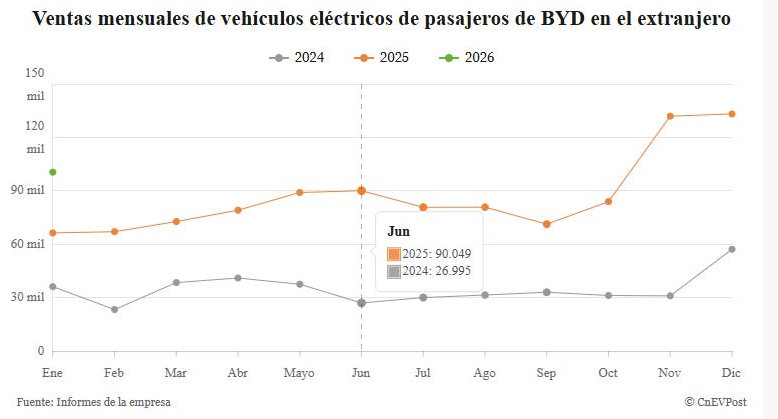
In 2024 we warned that there would be a silent landing of Chinese electric cars in the region. This year we also pointed out that sales in China fell 30% year-on-year for BYD, China's most important electric automaker, to just over 210,000 units, while its exports have risen. Indeed, BYD exported 100,482 electric vehicles in January 2026, 51.47% more than in the same month of the previous year, and Argentina is emerging as a new strategic destination for the company.
At the same time, imports of Chinese products into Argentina grew in 2025, according to INDEC, by 54% over 2024, for a total of US$ 17,940 million, and this is reflected in the growing concern among Argentine industrialists about competing with imported products, which, according to a survey by the Argentine Industrial Union (Unión Industrial Argentina) from March 2026, reaches 19.4%.
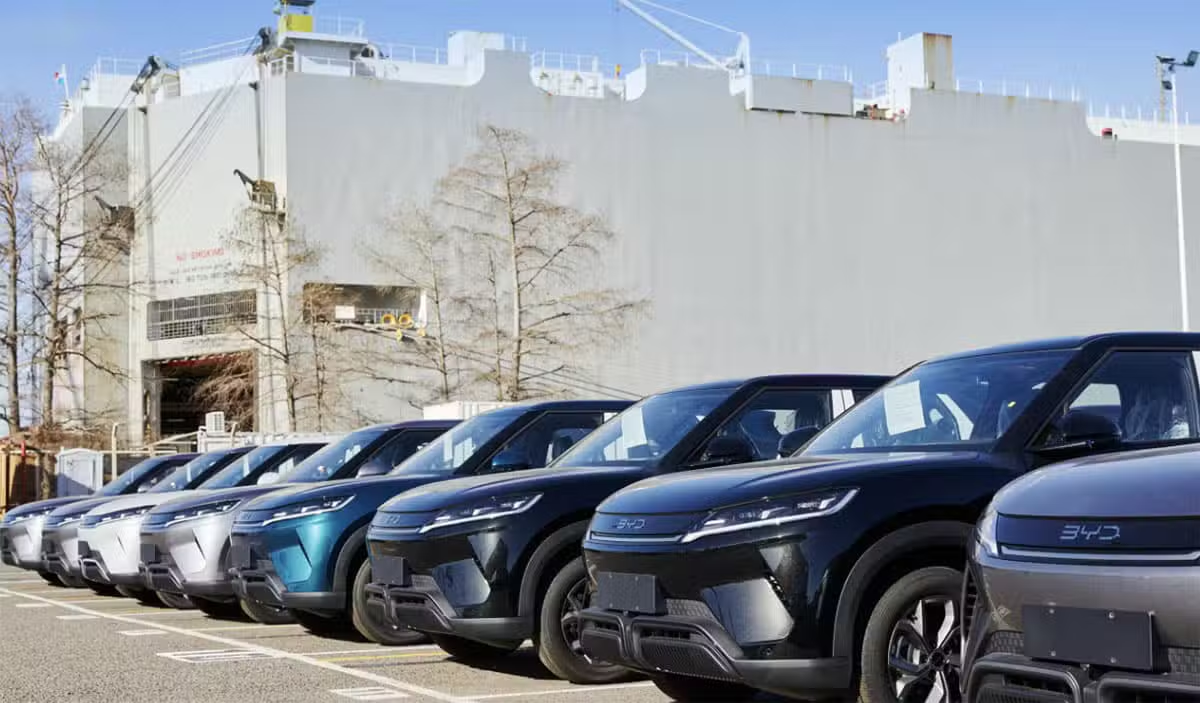
Photo: BYD
Subsidizing China
As if this whole picture were not enough, the Province of Santa Fe now subsidizes the production of Chinese cars, in China, having decided to lend the Asian country a hand by subsidizing the purchase of cars of that origin through an exemption from the vehicle registration tax for electric vehicles registered in the province for 5 years. This amounts to a mechanism of indirect subsidy to imports of electric vehicles, mainly Chinese, and benefits exclusively the highest-income sectors, revealing a complete lack of an active industrial policy that would attract foreign direct investment into the sector to foster production and employment, as well as a glaring lack of tax equity.
Regulatory framework and scope of the tax exemption
Eight years ago, the Santa Fe government enacted Law 13,781 and its implementing decree 3124/2019 to stimulate the manufacture of electric cars within what the government pompously calls a "state policy on sustainable mobility ", which seeks to consolidate the transition toward cleaner technologies. In eight years there has been no progress on the premises of production or new investment, yet importers of electric cars are granted a tax exemption that is taken advantage of by high-income consumers amid the invasion of imported electric cars. The main objective of this provincial waiver of revenue is to directly benefit the vehicle owner, significantly reducing annual ownership costs for 5 years, but in doing so it works to the detriment of the rest of the population, which does not have access to this subsidy yet contributes through its taxes to sustaining it. No electric vehicles are manufactured in Argentina, so the benefit falls exclusively on imported products, turning the exemption into an absurd covert subsidy to imports, particularly of units coming from China, which dominates the global supply of electric vehicles. This policy is aligned with that of the national government, which established an annual quota of 50,000 cars exempt from the 35% tariffs.
Sectoral impact and competitive distortions
The measure creates regulatory asymmetries that affect the competitiveness of the national and provincial automotive sector (General Motors has a plant in Santa Fe). While the Argentine car and auto parts industry suffers inflationary pressures and challenges of technological conversion, imported vehicles obtain additional tax advantages that widen the gap in final prices. The provincial fiscal policy contrasts with global trends toward protecting strategic industries: while the United States implements specific tariffs on Chinese electric vehicles, the European Union is evaluating countervailing measures against state subsidies, and Brazil attracts investment from Chinese automakers, Santa Fe gives away its resources with nothing in return.
Outlook for consolidation and strategic risks
In 2022, 500 vehicles were registered in Santa Fe, but in the first quarter of 2026 alone more than 800 vehicles have already been registered, with projections to reach 3000 units this year, which shows an upward curve that tends to consolidate and implies a strategic risk, since it entrenches patterns of external technological dependence. The absence of anything in return in terms of local investment, technology transfer or development of national suppliers turns the exemption into a subsidy for the production of Chinese cars in China with no productive return, and into a measure that is inequitable in tax terms. This harmful provincial fiscal policy calls for a comprehensive reconsideration that protects provincial industrial capabilities, making tax benefits conditional on commitments to local development.
Sources
Director of Pulso Internacional
Lawyer specializing in international trade and productive investment, with more than 25 years of experience in international trade negotiations as an adviser to governments and to companies going international. At Pulso Internacional we analyze foreign trade, bringing clarity and international context so that your company can export and invest more.
Related analysis

European Assessment of the EU-Mercosur Agreement: In 4 Months, European Exports Grow 9%
November 5, 2026 · 2 min
Why Has the US Increased Its Investment in Germany?
November 3, 2026 · 5 min